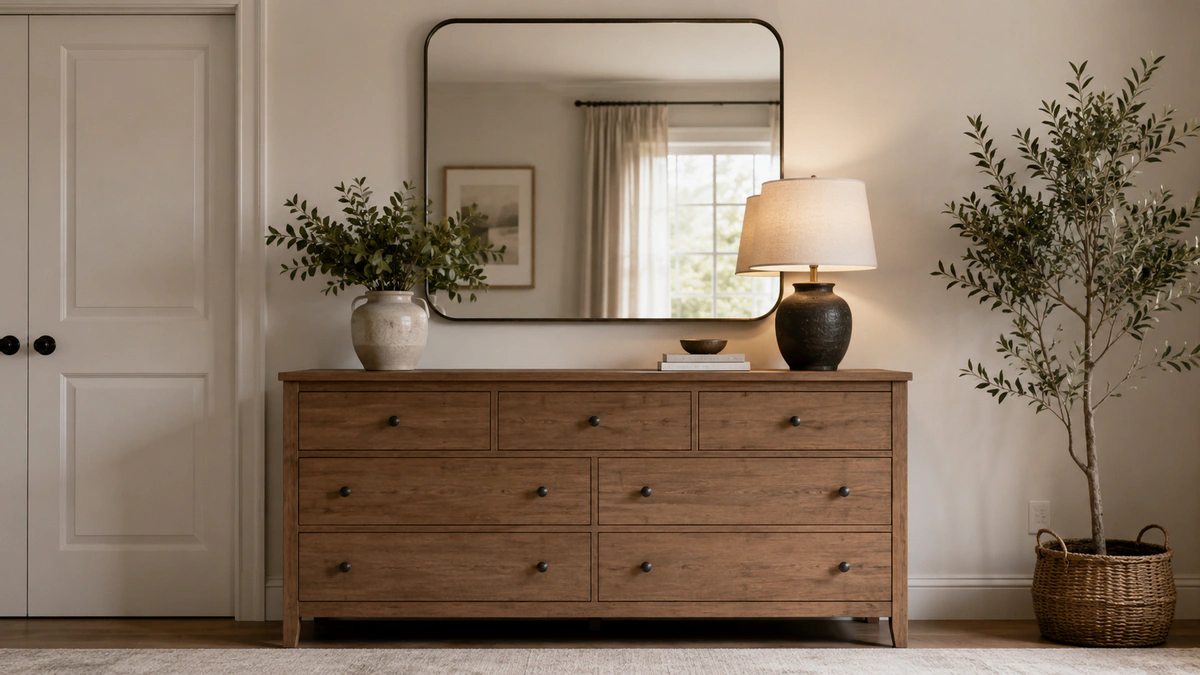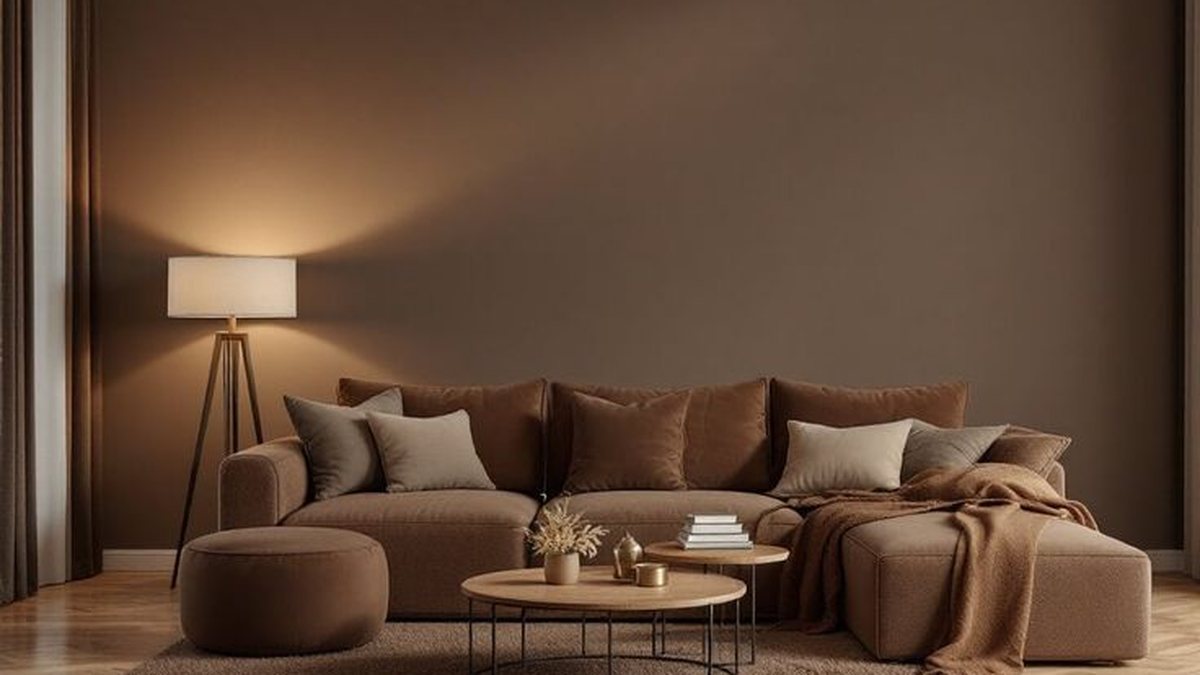

An interior designer day is part creative planning and part practical problem-solving. It moves between client meetings, site visits, supplier checks, sketches, and careful decisions about how a room should work.
This guide follows the design process from morning routine to final notes. It shows how an interior designer turns a brief into a finished room without losing sight of budget, comfort, and the people who will live there.
Quick Answer
A day in the life of an interior designer usually includes reviewing briefs, speaking with clients, visiting sites, creating a mood board, sourcing materials, checking budgets, and refining drawings or presentations. The work is creative, but it is also organised, detailed, and deadline-led.
Most of the role is split between people, planning, and project management. One hour may be spent listening to a homeowner describe their daily routine. The next may involve measuring a wall, checking a fabric sample, or confirming whether a contractor can fit a lighting change.
Why the Job Is More Practical Than It Looks
Beautiful rooms may look effortless, but the work behind them is precise. A good room scheme starts with how people live, not with a paint colour.
The job starts by asking what feels wrong now. A living room may need better storage. A kitchen may need easier movement. A bedroom may need calmer light, fewer hard edges, and a layout that supports sleep.
The National Careers Service describes the role as planning and supervising inside spaces, including colour schemes, lighting, fittings, and furnishings. Its interior designer career profile gives a useful insight into training, skills, and working conditions.
For broader HouseFery interior design ideas, treat inspiration as a starting point. The real value comes from turning attractive rooms into a plan that suits daily life.
Morning Planning and Project Checks
Many days start in the studio with messages, notes, and schedules. This is the quiet part of the work, but it prevents chaos later.
A morning checklist may include:
- Reading new emails from customers, builders, and suppliers
- Checking delivery dates for sofas, tiles, lamps, and fabrics
- Reviewing measurements and floor plans
- Updating a budget or procurement list
- Preparing sample packs for a presentation
- Confirming times for site visits or trade appointments
The morning routine creates order before the day becomes reactive. If a delivery is late or a joiner has a question, the plan can shift quickly.
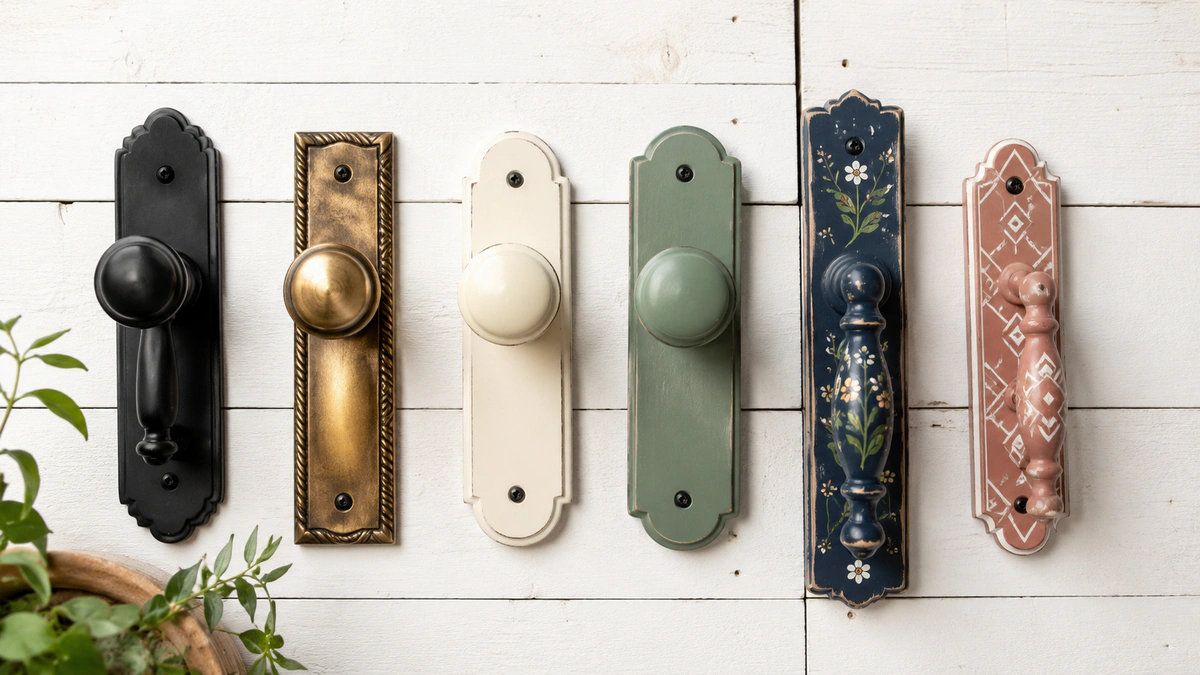
Small details also get settled here. The professional may compare two handles, check whether a rug fits under a sofa group, or decide if a pendant light will sit too low above a table.
Client Meetings Shape the Brief
Client meetings are not just about style. They reveal habits, hopes, budgets, worries, and the real reason a room is not working.
A good conversation may cover:
- Who uses the room each day?
- What feels frustrating now?
- Which pieces must stay?
- How much storage is needed?
- Which colours or materials feel wrong?
- What is the full budget, including fitting and delivery?
A strong designer listens for clues. If a homeowner asks for a calm bedroom, the answer may include blackout curtains, hidden charging points, warm bulbs, soft surfaces, and less visual clutter.
One or two sections after the quick answer is the right place to think about inspiration too. If you want to create serene retreats, study how expert rooms use scale, texture, colour, and negative space before buying anything new.
Site Visits Turn Ideas Into Measurements

A site visit shows what photos can hide. Walls may not be straight. Sockets may sit in the wrong place. A door swing may ruin the planned layout. Real rooms make every idea earn its place.
During a visit, the designer may measure, photograph, check natural light, mark socket positions, and speak with tradespeople. This is where drawings meet dust, noise, and awkward corners.
Site visits also protect the customer from expensive surprises. If a builder spots a problem, the room specialist can weigh the options and keep the design process moving without losing the agreed look.
The visit may end with quick notes, fresh photos, and a short action list. Those records matter because one missed measurement can affect curtains, cabinets, flooring, or lighting.
Mood Boards, Sketches, and Material Choices
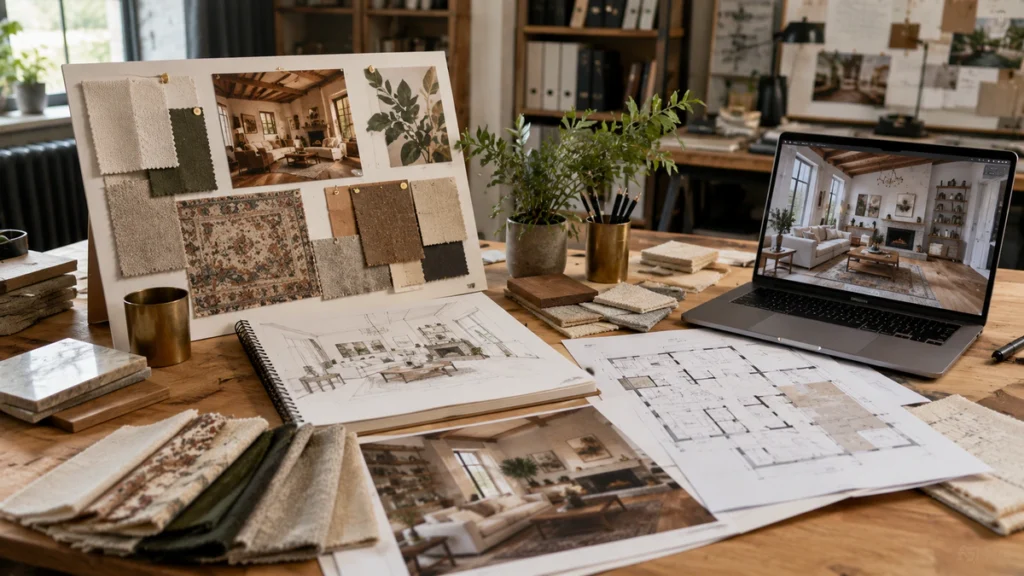
The creative work often appears as a mood board, sketch, sample pack, or 3D view. These tools help a homeowner see the direction before money is spent.
A concept may show paint, timber, stone, metal, fabric, rugs, lamps, artwork, and decorative objects. The aim is not only to look attractive. It is to make decisions feel clear.
Material choices carry the mood of the whole room. Linen feels relaxed. Oak feels warm. Brass adds polish. Stone feels grounded. Soft wool can make a room feel quiet and generous.
For example, a rustic sitting room may need textured cloth, aged timber, and gentle pattern rather than glossy surfaces. If you are comparing upholstery choices, our guide to country upholstery material gives useful ideas for chairs, cushions, and layered homes.
Digital drawing tools help here too. CAD files, floor plans, and a rendering can show scale, movement, and proportion before anyone orders a sofa.
Sourcing Lighting, Fabrics, and Key Pieces
Sourcing takes patience. The right item has to fit the room, suit the budget, arrive on time, and last well.
A sourcing list may include:
- Sofas, beds, dining chairs, and storage
- Curtain cloth, trims, and upholstery
- Rugs, cushions, mirrors, and artwork
- Wall lights, pendants, lamps, and switches
- Tiles, flooring, worktops, and handles
- Paint, wallpaper, and decorative surfaces
The challenge is balance. A cheaper item may arrive quickly but feel wrong. A bespoke item may be perfect but take 12 weeks. A discontinued product can force a late change.
This is where experience matters. A skilled interior designer knows when to save, when to invest, and when to warn that a favourite choice could delay the whole room.
Working With Contractors and Suppliers
Design work depends on clear teamwork. Decorators, electricians, joiners, plumbers, curtain makers, architects, and suppliers all need accurate information.
The designer may send marked-up drawings, confirm dimensions, answer questions, check quotes, and make sure everyone uses the same version of the plan.
One unclear note can become an expensive mistake. A pendant hung too low or a handle fitted in the wrong place can spoil the room even when the overall scheme is strong.
This part of the day is not glamorous, but it matters. Good communication keeps the design team calm and protects the final result.
Budget Management and Hidden Admin
Admin sits behind every successful scheme. Deposits, invoices, trade discounts, delivery charges, lead times, and product codes all need tracking.
Budget choices are connected. Spending more on custom joinery may mean choosing simpler curtains. Saving on a side table may free money for better lighting.
A budget review may check:
- What has been approved
- What needs a decision
- What has been ordered
- What is delayed or over budget
- What must be checked before the next visit
Clear records make future repairs and replacements easier. They also give the customer confidence because every decision has a reason.
Afternoon Presentation Work
Afternoons are often used to refine a presentation. This may include layouts, samples, product lists, lighting plans, and plain-English notes about why each choice works.
A good presentation does not overwhelm. It explains the design process step by step, shows the main idea, and gives the customer a manageable set of decisions.
The designer may prepare two routes. One scheme might use warm neutrals and antique brass. Another might use richer colour, black iron details, and stronger contrast.
The aim is confidence, not confusion. A customer should leave knowing what the room will feel like and what happens next.
What Makes the Work Rewarding and Hard
The reward is seeing a room change daily life. A cramped corner can become useful. A dark kitchen can become sociable. A tired bedroom can feel peaceful again.
The hard part is managing change. Products sell out. Trades run late. Budgets tighten. A family may change its mind after seeing samples in natural light.
This career suits people who enjoy creativity, but also like lists, deadlines, and problem-solving. The best days blend ideas with practical progress.
How to Know if the Career Suits You
Interior design may suit you if you enjoy rooms, people, and detail. Loving beautiful homes is not enough. You also need to enjoy solving real problems.
Useful strengths include:
- Listening carefully
- Visualising layouts
- Understanding colour, scale, and proportion
- Staying organised under pressure
- Explaining choices in plain language
- Respecting budgets and deadlines
- Working well with a design team
If you are curious, try shadowing a studio, helping with a small renovation, or building a portfolio of before-and-after ideas. A behind the scenes day will teach more than scrolling Instagram or YouTube.
FAQ
What Time Does the Day Usually Start?
Many professionals start between 8am and 9am, but the hours change with appointments, deadlines, and travel. Self-employed designers may work evenings when customers are free.
Is the Work Mostly Creative?
The work is creative, but it also involves admin, budgets, measurements, marketing, communication, and project management. The role needs imagination and structure.
Do Designers Visit Homes Every Day?
Not every day. Some days are spent in the studio, working on drawings, sourcing products, or preparing a presentation. Visits happen when measurements, progress checks, or trade questions need attention.
What Skills Matter Most?
Listening, spatial awareness, organisation, communication, budgeting, and problem-solving matter most. A clear vision helps, but the room must still work in real life.
Is This a Stressful Career?
It can be stressful when deadlines, deliveries, and contractor questions overlap. The pressure is easier to manage with clear systems, honest updates, and a realistic schedule.
Final Thoughts
A day in the life of an interior designer blends creativity with structure. The work includes client meetings, site visits, sourcing, budgets, contractor calls, and careful follow-up. These client meetings and site visits are the practical checks that keep ideas grounded. The design process may begin with inspiration, but it succeeds through real measurements, practical decisions, and steady communication. For someone who enjoys people, homes, and detail, becoming an interior designer can be demanding, but deeply rewarding.