Brown sofa rug colours work best when they balance the sofa, the floor, and the light in the room. A good living room colour scheme should also consider rug size, texture, pattern, and how much contrast you want.
If your brown sofa feels heavy, the right rug can soften it. If it feels plain, the right rug can add movement, warmth, and a cleaner focal point without making the room look busy.
Quick Answer
The best rug colours for a brown sofa are cream, beige, warm grey, sage green, rust, terracotta, muted blue, ivory, and patterned designs that repeat at least one brown tone. Choose a lighter floor covering if the sofa is deep toned, a richer shade if the sofa is light brown, and a pattern when the room needs texture.
For most homes, a cream rug or beige rug is the safest choice, green adds a calm natural feel, grey modernises brown furniture, and pattern ties the couch and floor together. The best rug should be large enough for the front sofa legs to sit on it, so rug size matters as much as colour.
Start With the Brown Tone Before Choosing a Rug
Brown is not one flat colour. A chocolate brown sofa, tan couch, camel leather sofa, and dark brown sofa all need different floor-covering choices because each shade of brown changes the room.
Brown sofa rug colours should respond to the sofa undertone first. Warm brown tones suit cream, rust, terracotta, olive, jute, and warm beige. Cooler espresso or brown leather works better with grey, blue, ivory, charcoal, and softer neutral choices.
Before buying, place a fabric sample or phone photo beside the sofa in daylight. If the brown looks red, choose warmer rug colours. If it looks almost black, use contrast with a brown sofa through ivory, stone, pale grey, or a smaller patterned design.
Many people ask what rug goes with a brown couch because the answer changes with light, flooring, and fabric. Rugs with brown sofas look best when the colour repeats one nearby finish, then adds enough contrast to separate the seating from the floor.
Use Neutrals When You Want a Calm Room
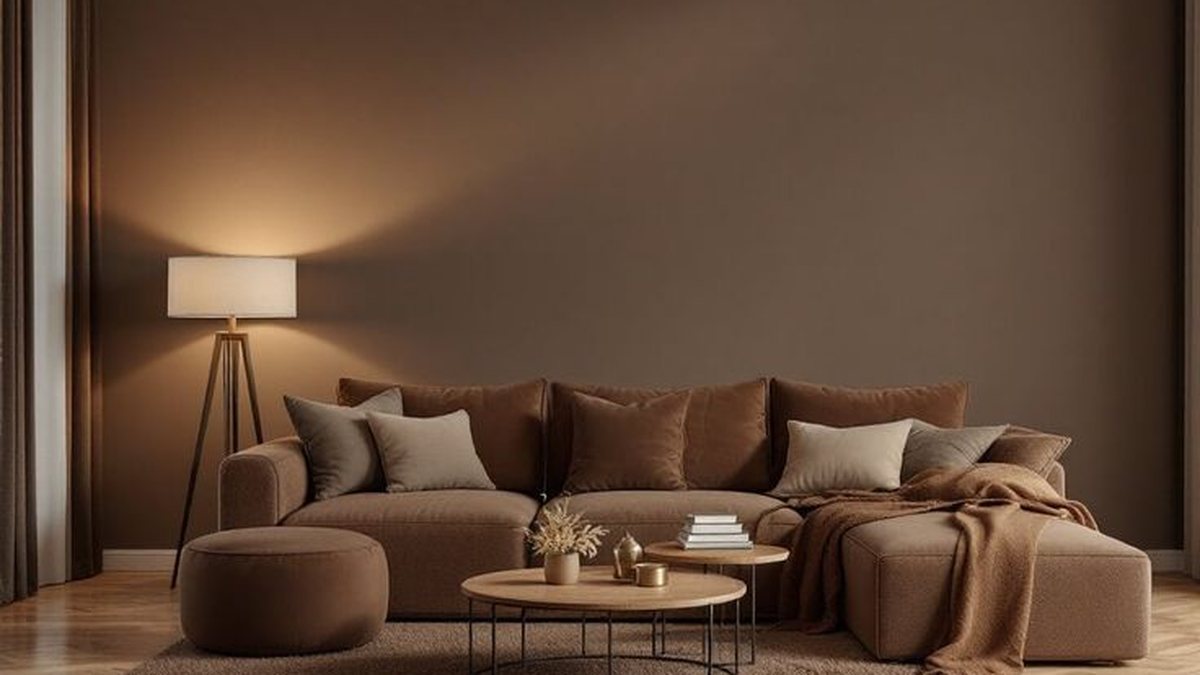
Neutral rugs are the easiest answer when you want the sofa to look settled rather than styled too hard. Cream, ivory, oatmeal, beige, taupe, and light grey can all work with a brown couch.
A cream rug gives a deep couch more breathing space. Beige feels softer and warmer, especially with wood floors. A warm grey rug is useful with black metal or stone.
If you are choosing for a busy family room, avoid a flat white rug unless you enjoy careful cleaning. A flecked neutral, woven jute, or low-pattern beige design hides dust and makes brown sofa rug colours feel more relaxed.
For more styling context, Home Garden Joy shares broader brown sofa styling ideas for cosy living rooms.
Choose Green, Rust, or Blue for More Character
Colourful rugs can look excellent with a brown sofa when they are slightly muted. Bright primary colours often fight the sofa, but earthy green rugs, rust rugs, terracotta, navy, denim blue, and faded teal can all look natural. If you want a pop of color, use it through a muted pattern rather than one solid block.
Green is one of the best rug colors for brown because it repeats the feeling of plants, timber, and natural materials. Sage, olive, and moss green rugs work especially well with brown leather sofa finishes.
Rust and terracotta create a warmer living room colour scheme. They suit camel, tan, and medium upholstery, but they can make deep seating feel heavier if the walls are also warm. Blue does the opposite. Muted blue cools brown furniture and makes the room feel fresher.
| Rug Colour | Best Brown Sofa Match | Room Effect | Use With Care When |
|---|---|---|---|
| Cream or Ivory | Dark brown couch, espresso, warm leather | Brightens and adds contrast | Pets or muddy shoes are common |
| Beige or Jute | Medium brown, tan, camel | Soft, natural, and relaxed | The floor is also beige |
| Warm Grey | Dark sofa, black accents | Modern and balanced | The room already feels cold |
| Sage or Olive Green | warm leather sofa, walnut tones | Calm, earthy, and layered | The walls are strong green too |
| Rust or Terracotta | Tan, camel, light brown couch | Warm and rich | The room lacks pale contrast |
| Muted Blue | Chocolate brown, dark wood, navy accents | Fresh and cooler | The seat has strong red undertones |
Pick Pattern and Texture to Avoid a Flat Look
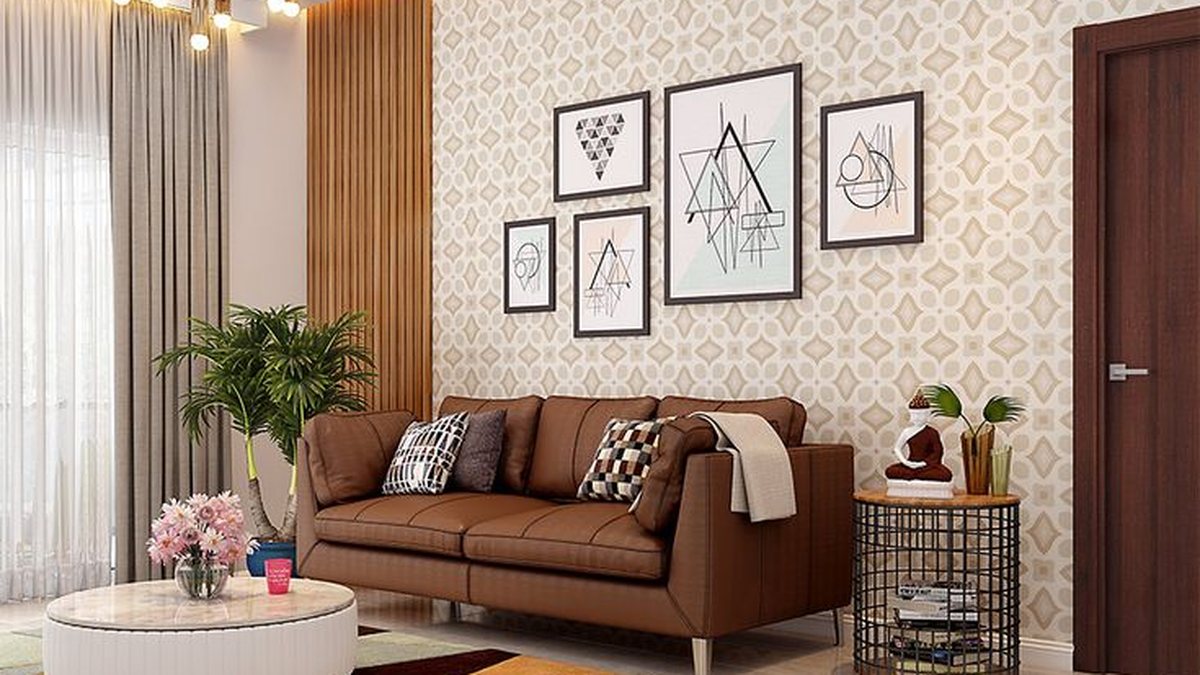
A plain seat beside a plain rug can look unfinished. Pattern and texture help the rug creates a stronger bridge between the couch, curtains, cushions, art, and floor.
A patterned rug works best when it repeats the seat colour in small amounts. Try a faded Persian-style rug, geometric rug, checked rug, striped rug, or modern rugs with cream, brown, blue, green, or rust woven through the design.
If the seat is already textured leather or chunky fabric, keep the floor pattern softer. If the seat is very simple, a patterned rug can add the character. For a small room, choose a smaller pattern within a calmer border, rather than a loud all-over print.
Texture matters too. A flatweave is easy under chairs, wool feels warmer, jute adds casual texture, and pile rugs make the seating area feel softer. If you are comparing rug texture with fitted carpet, this guide to which type of pile carpet is best for your home explains how surface depth changes comfort, room suitability, and style.
Check Rug Size Before You Commit to Colour
Rug size can make the best colour look wrong. A piece that is too small makes a brown couch look stranded, while a larger design can make the whole seating area feel intentional.
As a simple guide, front seat and chair legs should sit on it. In a compact sitting room, a 5×7 rug may work under a small couch. In a larger living room, an 8×10 rug usually looks more balanced. Sectionals often need a larger area rug so it does not disappear under one corner.
The right rug size helps the living room colour scheme feel planned. If your furniture floats in the room, let the floor covering anchor the main seating zone. If the seat sits against a wall, leave even floor space around the piece so it does not look squeezed.
The EPA guide to indoor air quality is a useful source when adding new rugs, cleaners, sprays, or soft furnishings. Ventilation matters when a new rug arrives, if the room is closed up.
Coordinate the Rug With Floors, Walls, and Cushions
A rug goes with a seat when it also works with the floor and wall colour. Look at the full room before you buy the right rug color.
Dark wood floors and a deep brown couch usually need contrast. Choose cream, beige, sage, pale grey, or a patterned design with light sections. Pale wood floors can take richer green, rust, red, or blue because the floor already gives brightness. These living room rugs also help when you are comparing loose floor coverings with fitted carpet.
Use cushions and throws to repeat the colour in small ways. Sage can link to two green cushions. Muted blue can link to art or a throw. A patterned design can pull together brown tones, cream walls, dark wood, and a leather seat without every item matching.
If your floors change from room to room, rugs can soften the transition. HouseFery’s guide to making mismatched wood floors look intentional shows how undertones and thresholds affect rug placement between connected spaces.
Avoid Colours That Make Brown Feel Heavy
Some colours can work in the right room but become difficult with warm furniture. Very dark designs under deep brown seating can make the seating area look like one heavy block. Black can feel sharp unless the room has plenty of cream or brass. Bright orange floor-covering choices may look harsh unless the palette is deliberately bold. A bold color works better when it is softened by cream, tan, or grey in the same design.
Yellow can lift a seat, but choose ochre, mustard, or muted gold rather than a loud lemon. White rugs look elegant in photos, yet white rugs are less forgiving in daily life. Grey rugs can look smart, but a cold grey beside a warm seat may feel disconnected.
When unsure, choose a design with several different rug colors rather than one strong flat shade. Mixed threads, distressed patterns, and woven texture are more forgiving than a single block of colour.
Simple Steps for Choosing the Right Rug
Choosing the right rug is easier when you treat it as a room plan, not a shopping guess.
- Decide whether the seat needs contrast, warmth, or freshness.
- Check the undertone of the seat in daylight.
- Choose two possible rug colours before looking at patterns.
- Confirm the rug size with tape on the floor.
- Repeat the colour once in cushions, art, or a throw.
- Choose a texture that suits your cleaning habits.
The best rugs for seats usually connect at least three things: the couch, the floor, and one accent colour. That is why the safest seat rug colours are rarely random. They repeat something already present in the room.
Match Common Search Questions to Real Rooms
If you are asking what color rug goes with a brown couch, start with contrast. A cream rug can create brightness, while a beige rug can create a softer link to timber, linen, and warm paint.
The best rug color for a seat is not always pale, and the best with brown can be a design that includes brown only in small threads. A green design goes naturally with brown because they share earthy tones, and a grey design can create a cleaner modern look. Rugs offer an easy way to add colour without repainting. If you need a rug to complement your brown seating without overwhelming the room, choose a low-pile rug with subtle color shifts and let the rug feels soft underfoot.
For a room with a brown couch and dark wood, choose a rug that either complements the flooring or breaks it up clearly. That is often the perfect match for your brown seating if the walls are pale. A rug can bring character to your living room by adding blue, sage, ivory, or rust, while a brown rug with a dark seat usually needs cream patterning to brighten up your living space.
- Use rug color ideas as prompts, not rules, because daylight changes every shade.
- A jute rug can go with brown or beige rooms when you want texture more than pattern.
- A design paired with a dark brown couch should include cream or blue.
- When choosing a rug color, check whether the rug is lighter than the seat in real daylight.
- Rugs for brown couches work best when brown is one thread in the pattern, not the whole surface.
- A floor covering with a warm couch can look formal, but a floor covering with a dark warm seat can look cosier when it has faded edges.
- Choose a floor covering color to pair with cushions first if you need the living room colour scheme to feel more pulled together.
Final Buying Checks
When choosing a rug color, ask whether the rug can either calm the room or lift it. A rug color for a brown sofa should include brown in small details, pair beautifully with brown furniture, and add colour without overwhelming the room.
If the rug is lighter, it can brighten the seating area. A rug can lighten the overall look when it is paired with a brown couch, especially if the walls are cream. A rug with a brown couch can also work well with chocolate brown, lighter brown, or dark brown or chocolate wood when it has ivory or blue.
For search-style checks, useful questions include: what color for a brown couch, what rug should I get, which rug color to pair with cushions, and whether rugs with brown couch tones will suit the living room colour scheme. The same logic applies to rugs for brown couches and rugs for dining room corners near open-plan seating.
Use this final test for the living room colour scheme: the rug with a dark brown seat should give a touch to your living room, a softer look to your living room, and earthy tones of a brown couch without hiding the floor. Then check rug size again before ordering.
Frequently Asked Questions
Should a floor covering Be Lighter or Darker Than a seat?
A floor covering should usually be lighter than a dark seat and slightly deeper than a light warm couch. This gives contrast and stops the furniture from blending into the floor.
What Colour floor covering Goes With a warm Leather seat?
A warm leather seat works well with cream, beige, warm grey, sage green, navy, rust, and faded pattern. Choose texture so leather does not feel too shiny or formal. A jute floor covering, wool flatweave, or muted vintage design can pair beautifully with warm furniture.
Can I Use a Grey floor covering With a warm Couch?
Yes, a gray floor covering or warm grey floor covering can work with a warm couch. Choose warm grey if the seat is tan or reddish warm, and cooler grey if the seat is dark espresso. If you ask what floor covering should I get, this is the right floor covering color for a warm couch in many modern rooms.
Are Green floor coverings Good With seats?
Green floor coverings are very good with seats because green and warm both feel natural. Sage, olive, and moss are easier to use than bright green.
What floor covering Colour Goes With Dark warm Furniture?
Dark warm furniture usually needs light contrast. Try cream, ivory, beige, pale grey, blue, or a patterned area design with lighter sections.
Can I Mix More Than One floor covering in a Living Room?
Yes, layering floor coverings can add depth if one design is calm and the other is smaller or patterned. Keep the colours connected so the room does not feel chopped up. This also works for floor coverings for dining room corners near an open-plan sitting area.
Final Thoughts
The best seat floor covering colours are the ones that make the room feel lighter, warmer, or more balanced. Start with the seat undertone, build a living room colour scheme around the floor and walls, then choose floor covering size before you settle on pattern. With the right floor covering size, texture, and seat floor covering colours, a warm couch can feel classic, cosy, and easy to style.