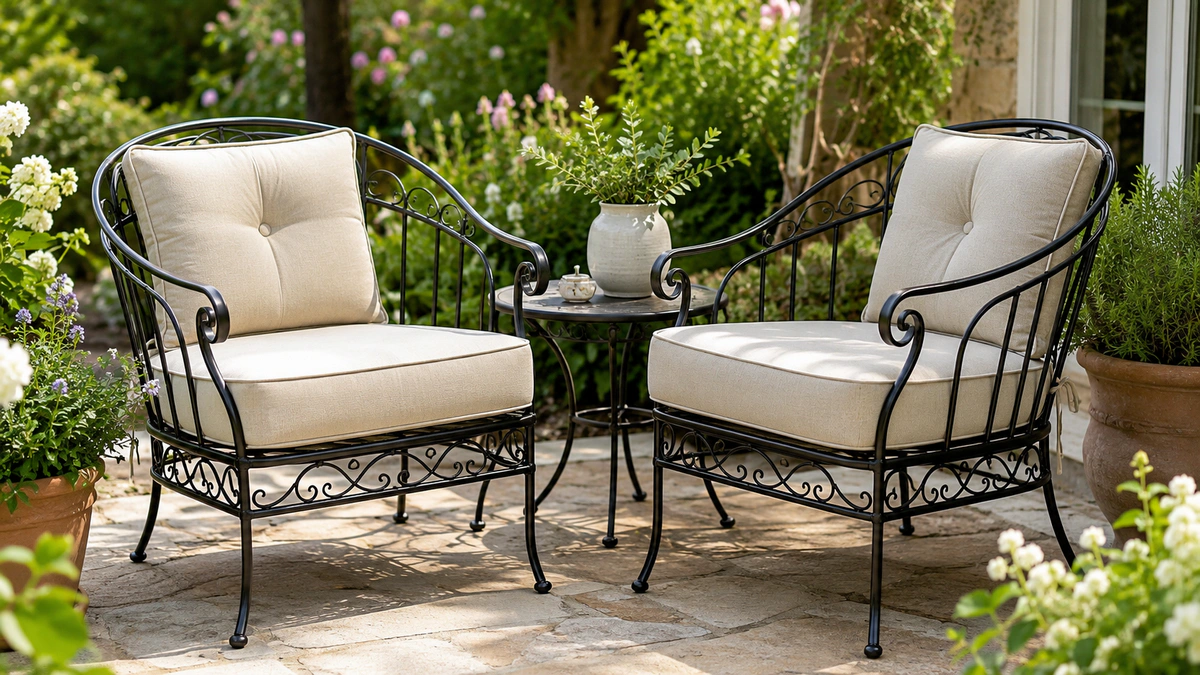
Country upholstery material should feel warm, durable, and easy to live with. The best upholstery fabric for rustic homes balances texture, cleaning needs, and the way each room is actually used.
This guide compares natural fabric choices, durable fabric options, patterns, and care needs so you can choose upholstery that looks relaxed without wearing out too quickly.
Quick Answer
The best country upholstery material for most rustic homes is a medium-to-heavy upholstery fabric with natural texture, tight weaving, and a practical cleaning code. Cotton blends, linen blends, wool blends, leather, chenille, duck canvas, and performance fabric can all work, but the right choice depends on traffic, sunlight, pets, and room use.
Choose linen or cotton for relaxed chairs, wool blends for cozy sitting rooms, leather for hard-working family spaces, and stain-resistant performance fabric for kids, pets, or daily use. Use plaid, check, stripe, toile fabric, floral print, botanical prints, or small farmhouse patterns when you want country style without making the room feel themed.
What Makes Upholstery Feel Country, Not Just Old-Fashioned?
Country upholstery works because it looks settled in. It has a soft texture, a practical weight, and a pattern that feels connected to wood, stone, baskets, rugs, and handmade pieces.
The best fabric should make furniture feel useful first and decorative second. A rustic room can still be polished, but it should not feel fragile. That is why a country upholstery fabric usually has visible weave, muted color, and enough body to hold its shape on a chair, couch, bench, or sofa.
For broader inspiration, HouseFery has more home decor ideas for lived-in rooms. Use those ideas as a style check, then choose the textile based on comfort, cleaning, and wear.
Compare the Best Fabric Options Before You Buy
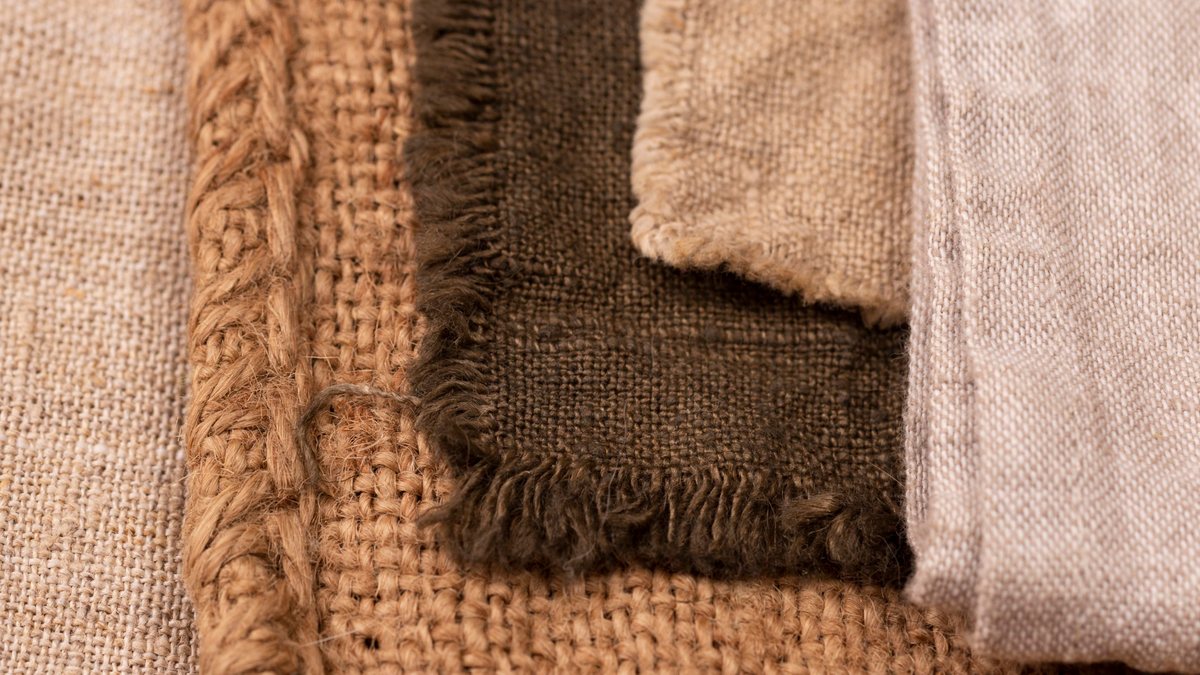
Do not pick country upholstery material by print alone. A pretty floral fabric can fail quickly if it is too light for the seat, while a plain duck canvas may last for years and still look calm.
| Fabric Option | Best Room Use | Durability | Cleaning Notes |
|---|---|---|---|
| Cotton Blend | Guest chairs, cushions, light family use | Medium | Clean spills quickly and avoid heavy sun |
| Linen Blend | Bedrooms, reading corners, formal chairs | Medium | Wrinkles naturally and often needs gentle care |
| Wool Blend | Lodge rooms, snug corners, colder spaces | High | Brush dust and treat stains early |
| Leather | Family rooms, dens, high-use armchairs | High | Wipe often and condition as recommended |
| Performance Fabric | Pets, kids, dining benches, busy seating | High | Check the cleaning code before using products |
| Chenille | Cozy sofas and soft accent chairs | Medium to High | Vacuum nap carefully to reduce crushing |
If you want a softer handmade look, cotton and linen fabric bring charm. If the piece will take daily use, choose durable fabric with a tighter weave, stronger backing, and a label that suits your cleaning routine.
Choose Fabric by Room Use, Not Just by Style
A quiet bedroom chair does not need the same upholstery fabric as a family-room sofa. Room use should decide the weight, finish, and color before you think about pattern.
Use this simple room guide:
- Living room sofa: choose leather, wool blend, chenille, or performance fabric.
- Kitchen bench: choose wipeable upholstery fabric or treated cotton canvas.
- Reading chair: choose linen, cotton, floral fabric, or soft plaid.
- Entry bench: choose duck canvas, leather, or a dark check.
- Guest room chair: choose lighter linen fabric, toile fabric, or muted botanical.
- Cabin or lodge seating: choose wool blend, textured cloth, western fabric, or leather.
Country upholstery material should match the amount of wear the seat receives. A delicate print can be fine on a bedroom accent chair, but it may look tired on a couch that gets food, pets, and daily television time.
If you are also choosing outdoor or metal-chair cushions, this guide to barrel chair cushions for wrought iron seats explains how cushion shape, fabric strength, and weather exposure change the buying decision.
Use Durability Clues Before You Trust a Pretty Print
Durability comes from fiber, weave, backing, finish, and maintenance. A loose weave may feel charming in the store, but it can snag, stretch, or collect dust in busy country rooms.
Check these details before ordering fabrics by the yard:
- Look for upholstery weight, not lightweight curtain or drapery weight.
- Check whether the material is suitable for a seat, not only a cushion.
- Ask for abrasion or rub-test information if the seller provides it.
- Choose darker beige, navy, grey, olive, brown, or muted stripe for hard-working areas.
- Keep very pale linen, green floral, and purple florals for low-use pieces.
- Use removable covers when possible, especially for dining or family seating.
The EPA guide to indoor air quality is a useful reminder to ventilate well when using cleaners, sprays, finishes, or new furnishings indoors. Upholstery care is not only about stains; it is also about using products sensibly in the rooms where you sit every day.
Pick Patterns That Feel Rustic Without Feeling Busy
Pattern gives country upholstery material its personality. The safest choices are plaid, check, stripe, small floral, toile, botanical, leaf fabric, and simple farmhouse fabric.
One strong pattern is usually enough in a small room. If the sofa has a bold country fabric, keep the curtain, rug, and window treatments calmer. If the main furniture is plain, add charm with a floral cushion, rooster pillow, striped seat pad, or checked ottoman.
French country fabric often uses softer palettes, faded florals, and elegant toile. Western decor leans toward leather, lodge colors, woven texture, and occasional farm animal or themed motifs. Both can work, but mixing every idea together can make the room look like a store display instead of a home.
For a more vintage interior, keep the décor simple and let one print upholstery fabric lead the room. A small embroidered detail, handmade trim, or fabric for upholstery with a faded aesthetic can add character without making the chair look like a craft project. Save novelty choices for a patio cushion or accent pillow rather than the main sofa.
Match Color to Wood, Stone, and Light
Country rooms often include timber beams, stone fireplaces, old floors, woven baskets, and warm metal. Upholstery should connect to those finishes instead of fighting them.
Use beige, cream, oatmeal, sage, olive, rust, navy, soft grey, and brown when you want a calm foundation. Add small checks, floral print, or printed fabric when the room needs movement. A darker couch can ground pale walls, while a lighter chair can soften heavy wood.
If the room already has many textures, choose one premium plain fabric and let the weave do the work. If the room feels flat, decorate with a patterned chair, stitched cushion, or a country material that adds depth without looking noisy.
Cleaning Needs Matter More Than the Label Name
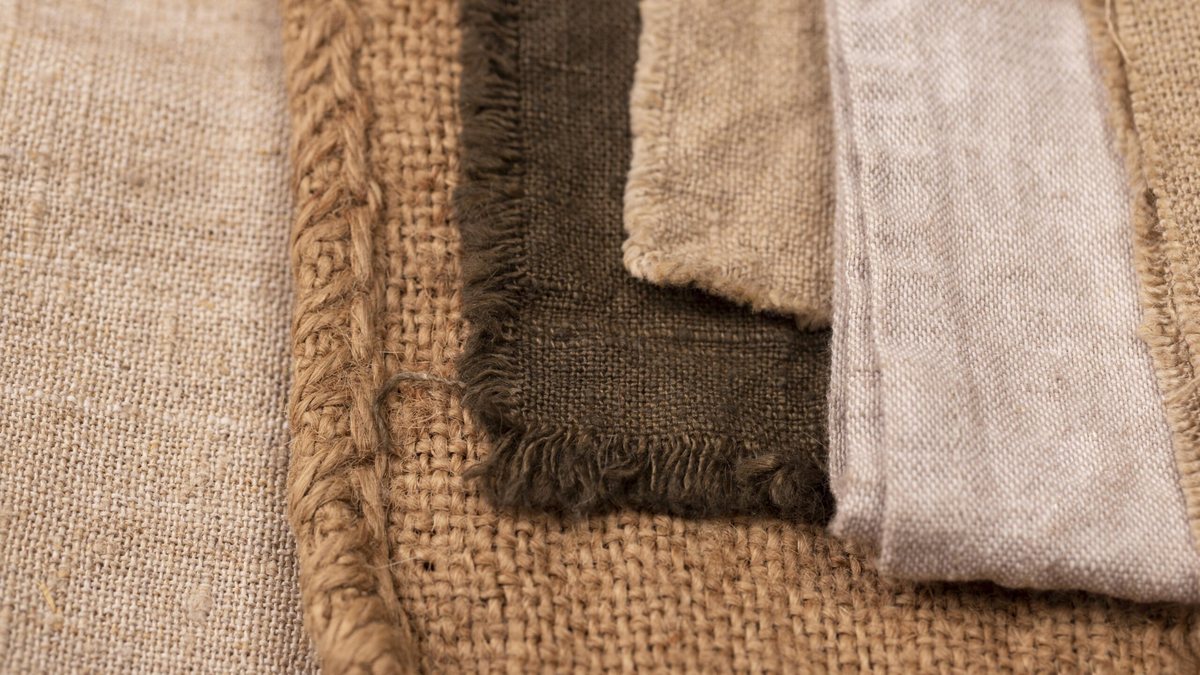
Every fabric has limits. Before you buy, check whether the label allows water-based cleaning, solvent cleaning, vacuum-only care, or professional cleaning.
For everyday upkeep:
- Vacuum seams and cushions weekly with a soft brush.
- Blot spills instead of rubbing them into the textile.
- Test cleaners on a hidden area first.
- Keep leather away from harsh household sprays.
- Rotate cushions so one seat does not fade faster than the others.
- Use throws on high-contact seats if pets or children use the room daily.
The easiest fabric to love is the one you can clean confidently. If you hate careful upkeep, avoid pale linen on daily seating. If you enjoy patina, leather can be forgiving because scuffs often become part of the rustic look.
Budget-Friendly Ways to Get the Look
You do not need to reupholster every piece at once. A DIY refresh can start with one chair, a bench seat, or a few cushion covers.
Budget ideas include buying remnants, choosing fabrics by the yard for small seats, using a plain base fabric with patterned pillows, or re-covering only the most visible chair. A clean slipcover can also make an older farmhouse sofa feel intentional again.
When a target link in the original article points to broader business or craft content, it can still fit naturally if the context is about small projects. If you enjoy making or selling home pieces, these country-style craft and business ideas may be a useful side reference.
Common Mistakes to Avoid
The biggest mistake is treating upholstery as a color choice only. The fabric has to handle sitting, rubbing, sunlight, cleaning, and the shape of the furniture.
Avoid these problems:
- Using curtain fabric on a hard-working seat.
- Choosing white linen for a pet sofa.
- Buying a heavy pattern before testing it in the room.
- Mixing too many florals, checks, and stripes at once.
- Ignoring cleaning codes.
- Forgetting that dark leather can feel heavy in a small room.
- Choosing outdoor fabric indoors without checking comfort and breathability.
Good country upholstery material should look relaxed, but the decision should be practical. Order a sample, view it beside wood and paint, rub it between your fingers, and check how it looks in morning and evening light.
Frequently Asked Questions
What Is the Best Country Upholstery Material for a Sofa?
The best country upholstery material for a sofa is usually leather, wool blend, chenille, cotton blend, or performance fabric. Choose based on traffic, pets, sunlight, and how often you want to clean the sofa.
Is Linen Good for Country Rooms?
Linen is good for country rooms when the seat is not exposed to heavy wear. It gives a relaxed texture and natural wrinkle, but a linen blend is usually more practical than pure linen for daily upholstery.
What Pattern Works Best for Farmhouse Fabric?
Checks, plaid, small floral, ticking stripe, toile fabric, and botanical designs work well. Choose one main pattern and repeat one color elsewhere so the farmhouse fabric looks planned.
Is Leather Too Formal for Country Style?
Leather is not too formal if the finish is matte, aged, or lightly distressed. It works well in country rooms because it is durable, easy to wipe, and pairs naturally with wood, wool, and woven texture.
Can I Mix Different Upholstery Fabrics in One Room?
Yes, you can mix different upholstery fabrics if they share a color family or texture. Pair one patterned chair with a plain sofa, or mix linen, leather, and check fabric in muted country colors.
Final Thoughts
The best country upholstery material for rustic homes is the fabric that suits your room, your cleaning habits, and the furniture you use most. Choose upholstery fabric with the right weight, texture, durability, and pattern, then use cotton, linen, leather, wool, or performance fabric where each one makes sense. With the right country upholstery material, country rooms feel warm, practical, and comfortable for everyday living.