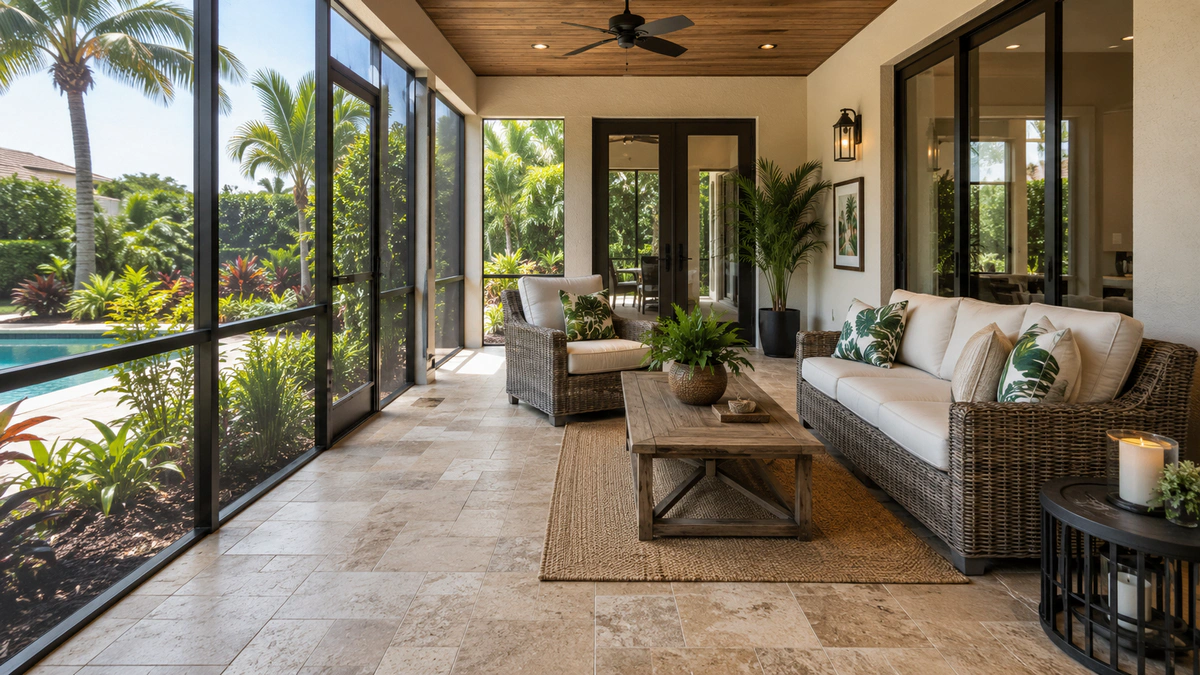
Deck colors for blue house curb appeal should make the siding feel intentional, not separate from the rest of the exterior. The best deck color, deck stain, railing finish, and surrounding color scheme should work together before you buy paint or composite decking.
This guide keeps the simple curb appeal idea from the original article, then makes it easier to use. You will see six practical options, when each hue works best, and how to test the right color for your deck before starting a new deck project.
Quick Answer
The best deck colors for a blue house are classic white, warm wood stain, light gray, dark gray, soft taupe, and one controlled accent color such as coral, yellow, or teal. White and light gray make a blue house feel crisp. Warm deck stain and taupe add natural warmth. Dark gray gives a modern deck stronger contrast. Bright accents work best on railings, furniture, steps, or trim rather than every deck board.
Why Deck Color Matters for Curb Appeal
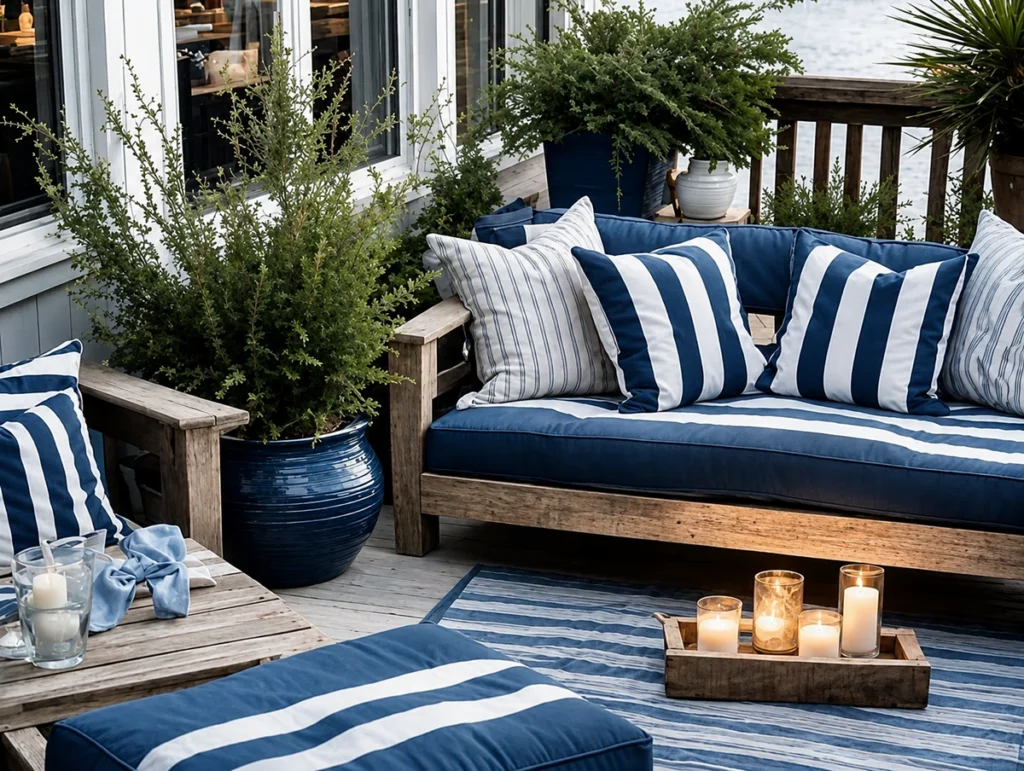
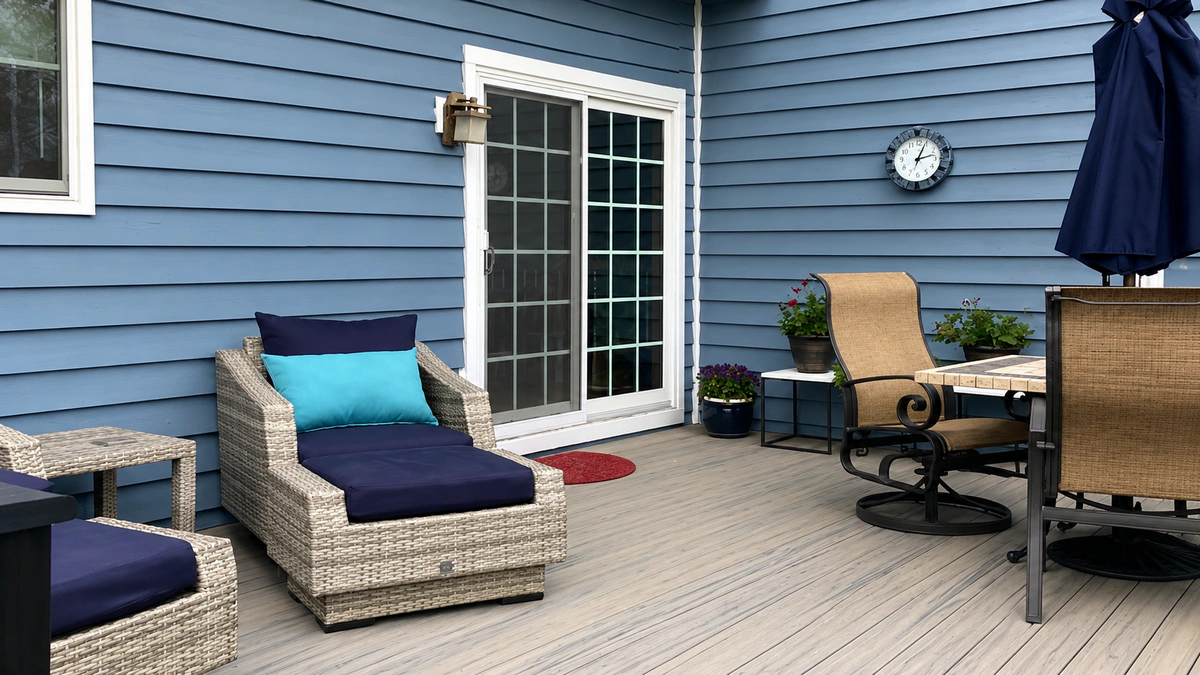
Blue house with outdoor deck color inspiration
A deck is one of the first outdoor living surfaces people notice. It frames the door, connects the home to the yard, and affects how clean or dated the whole exterior feels.
Small exterior choices can change the way a blue home feels from the street. The National Association of Realtors notes in its Remodeling Impact Report that exterior projects can raise owner satisfaction and improve the impression of a home.
The original article said curb appeal works like a greeting card for the house. That idea still holds. Landscaping, lighting, railing, siding color, and paint colors all shape the same first impression, so the deck should not be chosen in isolation.
Best Deck Colors for a Blue House
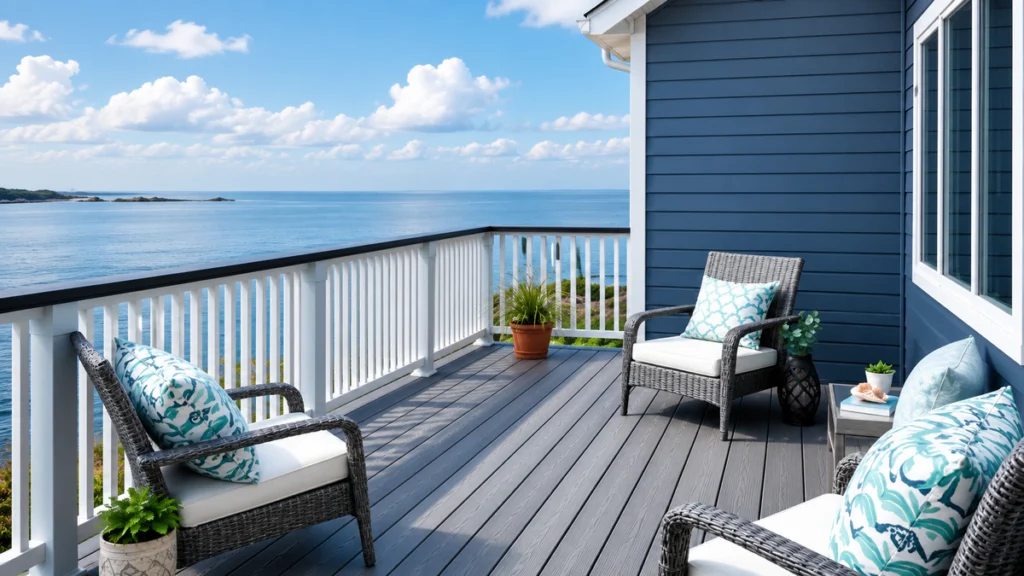
Deck stain and siding color ideas for a blue house
The easiest way to choose is to match the deck color to the mood you want the house to create. A light blue house can handle soft neutrals. A dark blue house can take stronger contrast. A powder blue cottage may look best with warm stains, white details, or coastal gray.
| Deck Color | Best Fit | What It Does |
| Classic White | Coastal, cottage, or traditional homes | Adds clean contrast and a sense of timeless elegance |
| Warm Wood Stain | Light blue or navy siding | Softens cool siding with natural warmth |
| Light Gray | Modern or coastal homes | Keeps the deck calm, bright, and easy to style |
| Dark Gray | Dark blue, navy, or sharp modern exteriors | Creates a strong, grounded color combination |
| Soft Taupe | Homes with stone, beige trim, or garden beds | Blends the deck into the landscape |
| Bright Accent Color | Playful patios and small feature areas | Adds energy without overwhelming the blue house |
Classic White for a Fresh, Clean Look
Classic white is the safest color combination if you want the blue siding to stay the star. It makes railings, steps, and trim look crisp, especially when the house has navy, sky blue, or powder blue siding.
White works best when you want contrast without making the deck feel heavy. It also gives you room to add colorful furniture, planters, or striped cushions later.
The tradeoff is maintenance. White surfaces can show dirt, mildew, and scuffs faster than darker stains. If you like the look but want less cleaning, use white on the railing and choose a light gray deck board or pale deck stain for the walking surface.
Warm Wood Stain for Natural Balance
A warm wood stain is one of the most reliable deck color schemes for blue siding. Cedar, honey brown, walnut, and medium oak stains add warmth beside a cool exterior.
This option works especially well when the yard has trees, mulch, stone, or garden beds. The deck feels tied to the landscape instead of painted as a separate block of color.
Use warm stain when you want the outdoor space to feel relaxed and lived in. If the blue house already has brown shingles, bronze lights, or wood doors, this choice can make the full exterior feel more complete.
Gray Deck Colors for a Modern Blue Home
Gray is popular because it sits between cool blue siding and neutral outdoor materials. A gray deck can be light, dark, weathered, or almost charcoal, so it adapts to many house and deck color combinations.
Light gray keeps the deck bright and beachy. It works with white railing, blue siding, and pale stone. Dark gray gives a stronger modern deck look, especially when the home has black fixtures or dark trim.
Gray is the best deck color if you want a low-drama update that still feels current. Just test samples beside the siding first. Some gray houses and blue houses share undertones, but others clash if one shade is too green, purple, or brown.
Earthy Tones That Soften Blue Siding
Earthy tones include taupe, tan, sand, clay, muted green, and dark browns. These shades are useful when the blue house sits in a wooded yard or has stone paths, brick steps, or beige trim.
They do not shout for attention. Instead, they make the deck feel like part of the yard. That can be helpful if the siding color is already bold.
Choose earthy tones when the goal is warmth, not contrast. A soft taupe deck with white railing can look polished beside light blue siding. Dark browns can work with navy siding if the rest of the exterior has warm accents.
Bold Accents That Add Personality
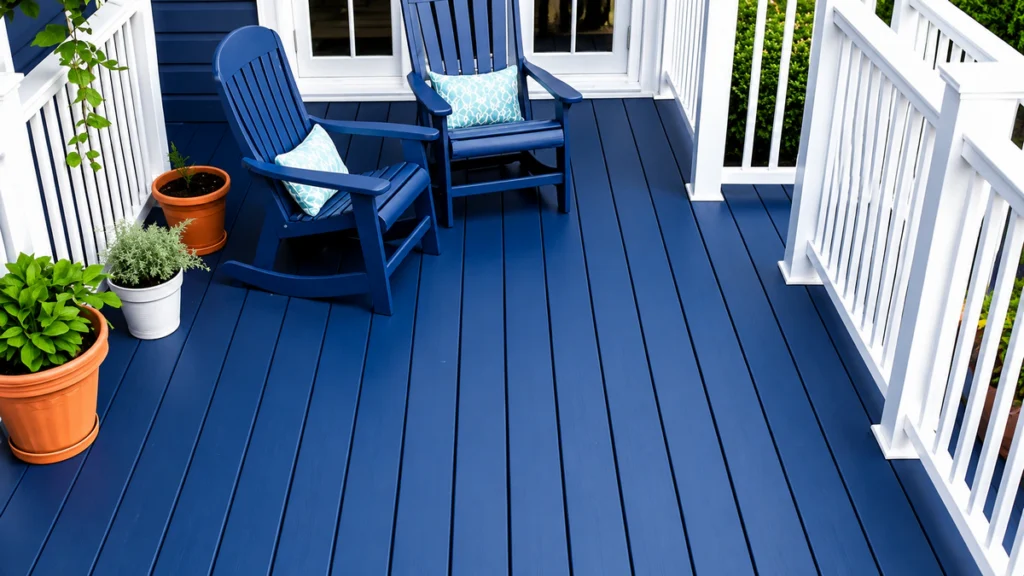
Bright accent deck colors for a blue house
Bold colors can be fun, but they need control. Coral, sunny yellow, turquoise, or lime green can transform your outdoor space when used as an accent on chairs, planters, painted steps, or a small feature wall.
A full bright deck can work for a beach cottage or creative backyard, but it may also date quickly. If resale matters, keep the deck board color neutral and use accents that are easier to change.
The best bright deck color is usually the one you can remove or repaint without rebuilding the whole space. That gives you personality without locking the house into one trend.
How to Test the Right Color Before You Commit
Do not choose from a tiny chip indoors. Deck stain, composite decking, and exterior paint color all change in daylight.
Use this simple test before choosing your deck color:
- Place samples beside the siding, trim, and railing.
- Check them in morning, afternoon, and evening light.
- Look at the sample from the street, not only from the deck.
- Compare it with roof color, stone, mulch, and furniture.
- Wet the sample if possible, because rain can darken the hue.
A deck color should match your house from a distance and still feel good up close. That is why sample boards are better than guessing from an online photo.
Final Thoughts
The best deck colors for blue house curb appeal depend on the siding shade, trim, landscape, and the way you use the outdoor space. Classic white, warm deck stain, gray, taupe, and controlled accent colors all work when the color scheme feels planned.
If you want safe deck colors for blue house curb appeal, start with light gray, warm wood stain, or white railing with a neutral deck board. If you want more personality, add color through accents first. That approach protects curb appeal, keeps the blue house balanced, and helps you choose a deck stain or deck color you will still like after the first season.