Choosing the right types of wall textures can make a plain room feel designed, finished, and more personal. The best choice depends on your wall condition, budget, light, furniture style, and how much maintenance you want.
This guide compares accent wall ideas, drywall texture finishes, plaster, brick, stone, wood, wallpaper, and mixed media walls so you can choose a surface that fits real rooms, not just photos.
Quick Answer
The best types of wall textures for modern interiors are smooth finish, orange peel, knockdown, skip trowel, Venetian plaster, brick, stone, wood panels, concrete, textured wallpaper, geometric panels, and mixed media walls. Smooth and orange peel finishes suit most homes because they are subtle and easy to repaint. Brick, stone, wood, and plaster work best as feature walls when you want depth, warmth, or a stronger design statement.
How to Choose the Right Wall Texture
Before you compare different types of wall textures, decide what problem the wall needs to solve. A damaged drywall surface may need forgiving types of wall textures like knockdown. A dark hallway may need a smooth finish that reflects light. A large living room may need a tactile feature wall to stop the space from feeling flat.
For practical HouseFery home improvement and decor ideas, types of wall textures should support how the room is used. Busy kitchens, hallways, and kids’ rooms need finishes that can handle cleaning. Bedrooms and sitting rooms can take softer plaster, wallpaper, or wood treatments because they face less daily wear.
Think about lighting too. Heavy textures create shadow, which can be beautiful beside a lamp or window but too busy in a small room. Lighter textures and smooth textures help compact spaces feel calmer.
Popular Types of Wall Textures Compared
The most useful types of wall textures balance style with installation time, repair work, and cleaning. Some are true drywall finish styles created with joint compound. Others are surface treatments, panels, or coverings that create texture without rebuilding the wall.
| Wall Texture | Best Room Fit | Typical Cost Level | Maintenance |
|---|---|---|---|
| Smooth Finish | Living rooms, bedrooms, galleries | Medium to high if walls need skim coating | Easy to clean, shows dents |
| Orange Peel | Hallways, family rooms, rentals | Low to medium | Forgiving and easy to repaint |
| Knockdown | Large rooms, ceilings, busy homes | Medium | Hides imperfections well |
| Venetian Plaster | Dining rooms, entries, feature walls | High | Needs careful cleaning |
| Brick, Stone, or Wood | Accent walls and focal points | Medium to high | Dust lines and sealing matter |
| Textured Wallpaper | Bedrooms, powder rooms, offices | Low to medium | Depends on material and moisture |
Smooth, Orange Peel, and Knockdown Finishes
Smooth finish is the cleanest type of texture for a modern room. It works with minimal furniture, large art, and refined paint colors. The drawback is honesty: a smooth wall shows every dent, seam, and uneven patch, so prep matters.
Orange peel looks like the skin of an orange. It is a common drywall texture because it can hide light wall imperfections without making the room feel heavy. It is a safe choice for homeowners who want texture but still want a wall that feels current.
Knockdown texture starts with a spray texture or rolled compound that is flattened with a knife or trowel before it fully dries. It gives more movement than orange peel and is useful when you need forgiving coverage on a wall or ceiling.
These types of wall textures are practical for whole rooms. If you plan to repaint often, stay with smooth, orange peel, or knockdown rather than a very deep wall finish.
Drywall Texture Styles That Still Work
Some types of wall textures come straight from drywall finishing rather than added panels or wallpaper. These types of wall textures are useful when you want to cover seams, blend repairs, or give a plain wall or ceiling a more finished look.
Orange peel texture is subtle and common because it feels lighter than heavy textures. Knockdown drywall texture is flatter and broader, so it can hide flaws without looking as sharp as a stomp brush or slap brush finish. Skip trowel drywall texture gives a hand-applied look, while comb drywall texture uses a toothed trowel to create repeated lines or arcs.
Other types of wall textures are more specific. Sand swirl adds fine grit and curved movement. Lace drywall texture and Spanish lace create layered shapes in drywall. Tree bark drywall texture, bas-relief drywall texture, and Venetian drywall texture are stronger choices for feature areas rather than every wall. Popcorn texture and popcorn ceiling finishes can look dated indoors, so use them carefully and avoid scraping older material unless it has been checked first.
Skip Trowel, Swirl, Lace, and Slap Brush Texture
Skip trowel texture uses a thin layer of joint compound moved across the wall with a trowel. The result is irregular, hand-finished movement that suits Spanish, Mediterranean, rustic, and relaxed modern interiors.
Swirl texture and sand swirl patterns use a brush, comb, or toothed trowel to create repeated curves. A swirl drywall finish can feel decorative, so it works best when the furniture and color palette stay simple.
Lace texture, sometimes called Spanish lace, creates a layered pattern that can hide repairs and uneven surfaces. Slap brush and stomp brush texture are more dramatic because the brush leaves a raised, stippled surface.
Use these types of wall textures when you want the wall to be part of the design. They are harder to patch invisibly, so keep leftover paint and take photos of the original application.
Brick, Stone, Wood, and Concrete Feature Walls
Brick wall texture adds warmth and structure. Real brick feels permanent, while thin brick veneer can give a similar look with less depth. It works well behind a sofa, fireplace, dining bench, or bed, especially when the rest of the room is simple.
Stone walls feel natural and grounded. Slate, limestone, stacked stone, and faux stone panels all create visual weight. If you want a softer version, use stone on one wall only and balance it with linen, warm lighting, and simple furniture.
Wood wall texture is one of the most flexible types of wall textures because it can feel rustic, coastal, mid-century, or minimal. Vertical slats can make a low room feel taller, while horizontal boards can make a narrow room feel wider.
Concrete works when you want an industrial edge. Pair it with rugs, fabric, plants, and wood so the room does not feel cold. For more visual inspiration, House & Garden interior design inspiration shows how strong materials can still feel elegant when they are layered with softer finishes.

Textured Wallpaper, Faux Finish, and Plaster
Textured wallpaper is useful when you want depth without wet plaster or drywall work. Grasscloth, linen-look paper, embossed vinyl, and paintable wallpaper can add movement quickly. It is also one of the easier accent wall ideas for renters or cautious DIYers if removable products are suitable.
Faux finish techniques can imitate stone, limewash, marble, wood grain, or aged plaster. A faux finish wall texture is cheaper than many real materials, but it needs restraint. Keep the color palette quiet unless the wall is meant to be the main feature.
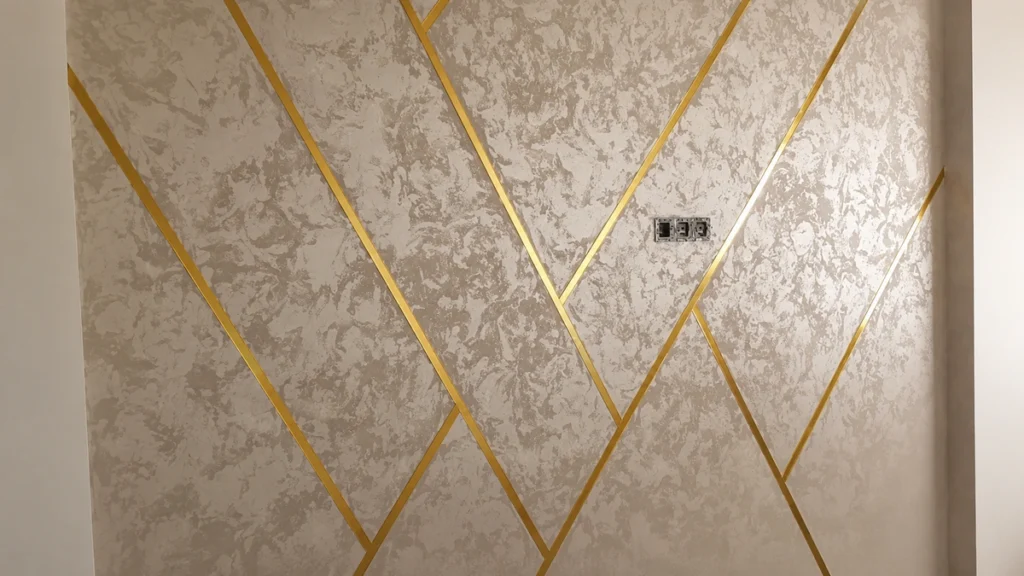
Plaster gives a richer finish than standard paint. Venetian plaster is often mixed with marble dust, then polished for depth and gentle sheen. Limewash and clay plaster can look softer and more matte, which works well in bedrooms, dining rooms, and calm living areas.
If you are using paints, sealers, adhesives, or wallpaper products, check ventilation and product labels. The U.S. EPA explains that volatile organic compounds can affect indoor air quality, so low-VOC products and airflow are sensible during any wall finish project.
Geometric Panels, Fabric Walls, and Mixed Media Ideas
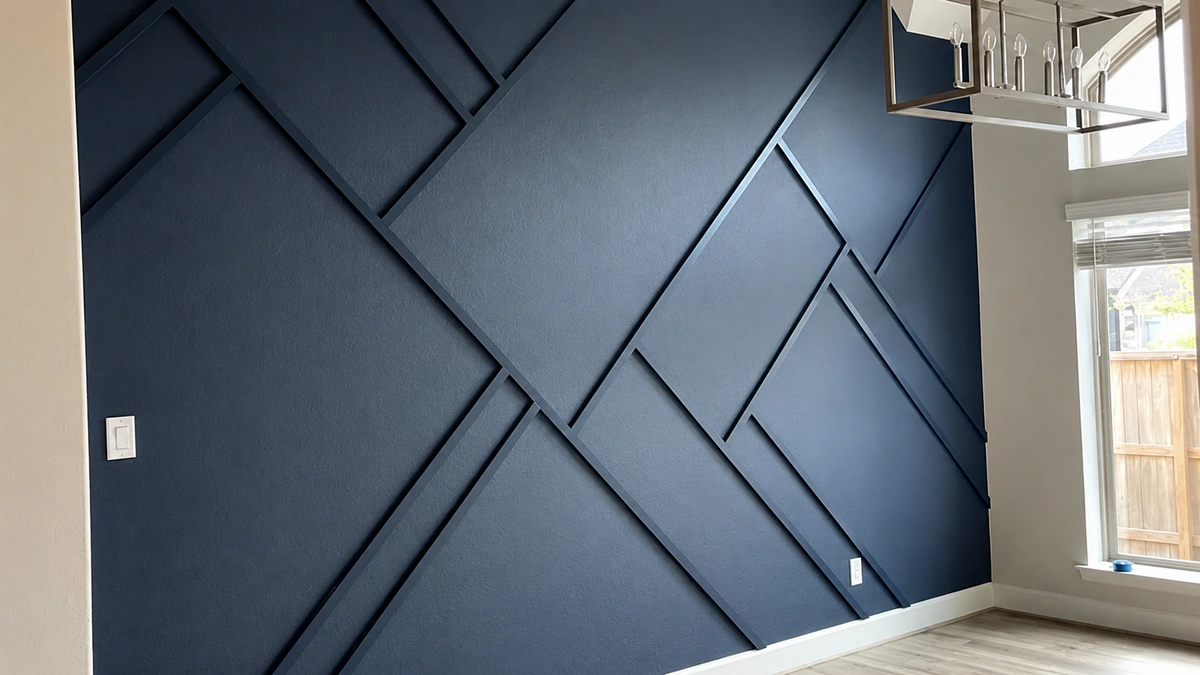
Geometric panels are strong types of wall textures for modern interiors because they create clean shadow lines. Square grids, fluted boards, arches, and narrow battens can turn a blank wall into architecture.
Fabric walls, upholstered panels, and linen wall decor add softness. They are especially useful in bedrooms, offices, and media rooms where echo and harsh surfaces can make a space feel uncomfortable. For a related soft-wall idea, HouseFery’s guide to foldable linen accent wall decor can help you compare fabric wall panels with harder wall finishes.
Mixed media walls combine two or more materials, such as wood with plaster, brick with paint, or stone with metal trim. The key is control. Repeat one color, one finish, or one line direction so the wall feels intentional instead of crowded.

Cost, Maintenance, and Room Suitability
Cost depends on labor, prep, material, and repair needs. A simple orange peel texture can be affordable if the wall is already sound. A Level 5 smooth drywall texture, Venetian plaster, real stone, or custom wood paneling costs more because the preparation and finish work are more exacting.
Maintenance should shape your decision. Smooth walls wipe easily but show impact marks. Heavy textures like knockdown, lace drywall texture, popcorn drywall texture, and stomp texture hide flaws but collect dust in ridges. Brick, stone, and wood may need sealing or careful vacuuming.
Use subtle types of wall textures in small rooms, low-light rooms, and busy family spaces. Use heavier textures as accent wall ideas in rooms where you can control lighting and furniture. Powder rooms, dining rooms, entries, and headboard walls are good places to try a bolder wall finish without overwhelming the entire home.
DIY Tips Before You Texture a Wall
DIY types of wall textures are possible, but test first. Apply drywall compound, paint, or plaster to a sample board before touching the actual wall. This helps you check scale, drying time, color, and how the finish looks in natural and evening light.
Start with repairs. Fill holes, sand rough edges, remove loose paint, and prime where needed. A texture can hide an imperfection, but it cannot fix moisture damage, crumbling plaster, or unstable drywall.
For spray textures, protect floors, trim, vents, and furniture carefully. For knife or trowel finishes, keep the pressure consistent. For wall or ceiling work that may contain asbestos, old popcorn ceiling material, or unknown coatings, stop and get professional advice before scraping.
Wall Texture Types for Walls and Ceilings
Wall texture types do not always suit ceilings in the same way. A ceiling texture should be lighter because overhead shadow can make heavy patterns feel lower. If you use a spray gun for orange peel or knockdown overhead, keep the pattern even and test the spray on cardboard first.
Some textures like orange peel are subtle enough for full rooms. Heavier textures like knockdown, slap brush, or lace work better where you want movement and do not need a perfectly smooth wall. A comb texture can look graphic, while a sand swirl can feel softer if the rest of the room is simple.
Frequently Asked Questions
What Are the Most Popular Types of Wall Textures?
The most popular types of wall textures include smooth finish, orange peel, knockdown, skip trowel, Venetian plaster, brick, stone, wood panels, concrete, and textured wallpaper.
Which Wall Texture Is Best for Modern Interiors?
Smooth finish, orange peel, subtle knockdown, Venetian plaster, and wood slat panels are usually the best modern choices. They add depth without making the room look dated.
Are Textured Walls Hard to Clean?
Light textures are not difficult to clean with a soft cloth or vacuum brush. Heavy textures, brick, stone, and wood grooves need more dusting because dirt can settle into raised areas.
Can You Put Texture Over Painted Walls?
Yes, but the wall must be clean, dull, dry, and stable. Glossy paint may need sanding or primer before joint compound, plaster, textured paint, or wallpaper will bond properly.
Do Textured Walls Make a Room Look Smaller?
Heavy textures can make a room feel smaller if they are dark or used on every wall. Subtle types of wall textures can make a room feel richer without shrinking it visually.
Final Thoughts
The strongest types of wall textures look good, suit the room, and make daily maintenance easier rather than harder. Start with the wall condition, choose accent wall ideas only where they add purpose, and use drywall texture, plaster, wood, brick, stone, or wallpaper in a way that supports the whole room.