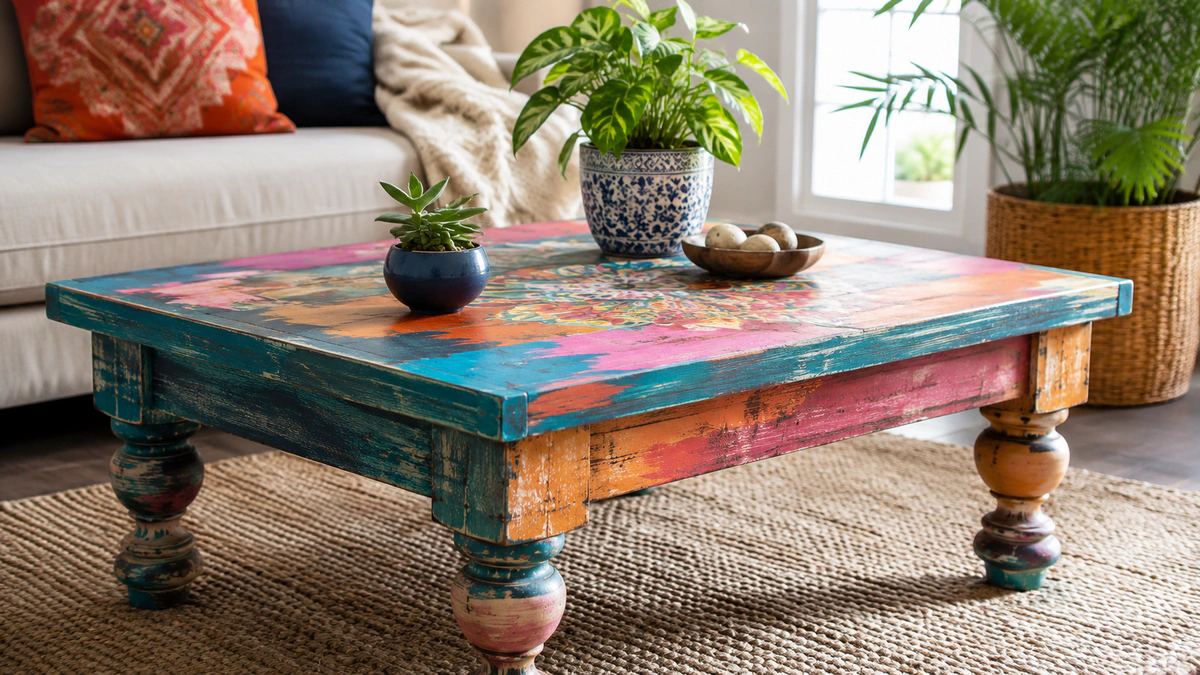
Painted table ideas can change how a room feels without replacing every piece of furniture. The right paint color, finish, and placement can turn a tired table into the brightest detail in your home decor.
This guide covers painted table ideas, DIY table painting steps, and practical painted furniture tips. Use it to choose a look that fits your room, then follow the prep and finish advice so the table stays useful, not just pretty.
Quick Answer
A colorful painted table is a practical way to brighten a room by adding one strong color, pattern, or finish to a functional piece of furniture. For the best result, choose a table style that matches the room, clean and sand the surface, use the right primer, apply thin coats of durable paint, and protect high-use areas with a clear topcoat.
Start With the Room Before You Pick the Paint
The best colorful painted table starts with the room around it. A table that looks exciting online can feel too loud if it fights with the walls, flooring, rug, and nearby furniture.
Start by naming the job of the table. A dining table, dining room table, or old kitchen table needs a harder finish than a hallway console. A bedside table can take a softer color, while a coffee table needs to handle mugs, books, and daily touch.
Look at the room in daylight and at night. If the room already has strong color, choose a painted table that repeats one accent shade. If the room is neutral, a bright furniture makeover can become the main focal point.
For more home decorating ideas, it helps to think of the table as part of the whole room instead of a separate craft project.
12 Painted Table Ideas That Work in Real Homes
Use these painted table ideas first, then adjust the color to your room. These painted furniture options work because they balance style with everyday use.
| Design | Best Room | Practical Tip |
|---|---|---|
| Solid Coral or Terracotta | Living room or bedroom | Pair with cream, tan, or wood tones. |
| Soft Sage Green | Kitchen, entryway, or sunroom | Use satin paint for easy wiping. |
| Navy Base With Natural Top | Dining room | Leave the top sealed wood for durability. |
| Color-Blocked Legs | Kids’ room or studio | Keep the tabletop neutral if the legs are bold. |
| Checkerboard Top | Game room or breakfast nook | Measure twice and use painter’s tape. |
| Ombre Blue Finish | Coastal or relaxed rooms | Blend while the paint is still damp. |
| Painted Floral Border | Guest room or cottage space | Keep flowers around the edge, not the whole top. |
| Two-Tone Pedestal Table | Small dining area | Use a darker base to ground the piece. |
| Sunny Yellow Side Table | Hallway or reading corner | Limit yellow to a smaller table if the room is compact. |
| Muted Pink Console | Bedroom or dressing area | Use brass or black handles for contrast. |
| Stenciled Tile Effect | Patio room or breakfast area | Seal the top well so the pattern lasts. |
| Black Table With Bright Edge | Modern living room | Add color only to the rim, legs, or drawer front. |
Choose Paint, Chalk Paint, and a Durable Finish for Daily Use
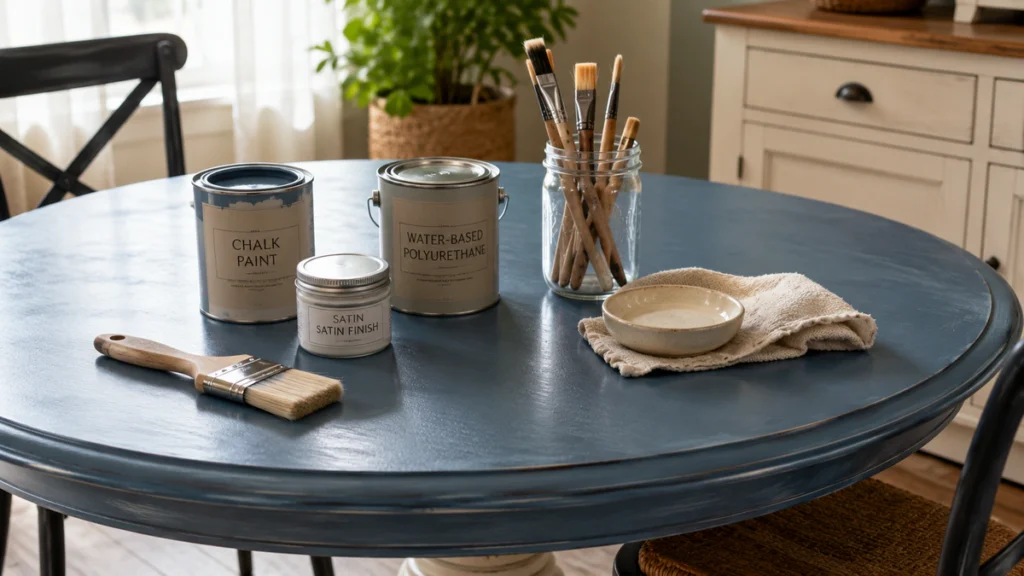
A beautiful table still has to work as a table, especially if it is a kitchen table or dining table. For most DIY table painting projects, satin or semi-gloss paint is easier to clean than flat paint. Chalk paint can look soft and vintage, and using chalk paint to give an old table a fresh look works well for farmhouse, rustic, or chic rooms, but it usually needs wax or a protective topcoat on high-touch areas.
The U.S. Environmental Protection Agency explains that some paints and finishes can release indoor air pollutants, so choose low-VOC products where possible and follow EPA guidance on reducing indoor VOC exposure when you paint indoors.
If the table will hold hot dishes, laptops, plant pots, or drinks, add a water-based polyurethane, latex-compatible varnish, or furniture-safe clear coat. Let each layer cure fully before heavy use. Dry-to-touch is not the same as cured.
Prep the Table So the Color Lasts
Most painted table failures start before the first coat of color. Dust, old wax, stain, glossy varnish, and grease can stop paint from bonding well.
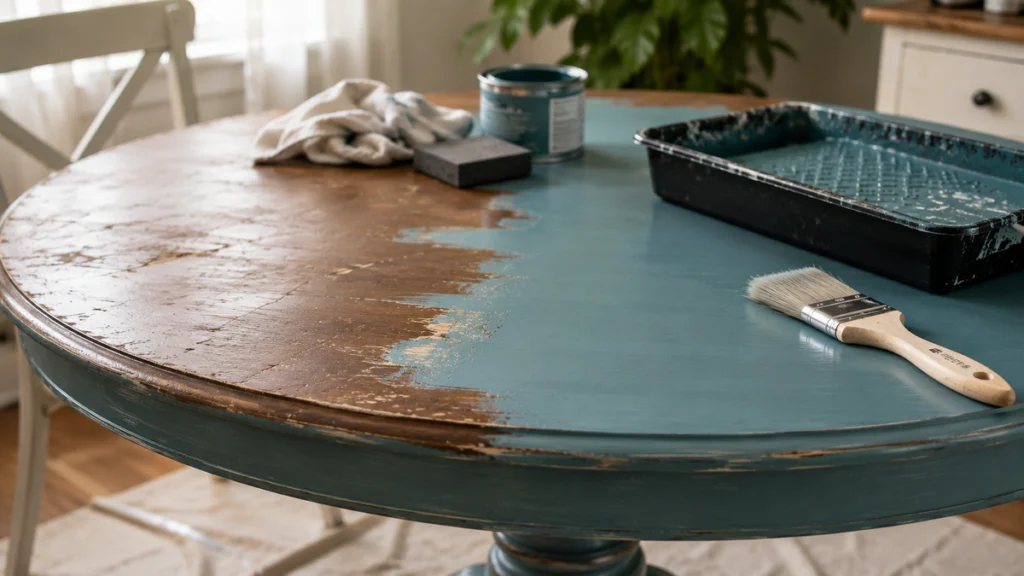
Use this simple prep order as a mini tutorial before painting:
- Remove hardware, drawers, or glass inserts if the table has them.
- Clean the surface with a mild degreasing cleaner and let it dry.
- Sand glossy areas with fine-grit sandpaper so primer can grip.
- Wipe away sanding dust with a tack cloth or damp microfiber cloth.
- Apply coats of primer made for the table material, especially on laminate, metal, dark wood, or previously stained furniture.
- Paint in two coats or more thin coats instead of one thick coat.
- Seal the tabletop if it will get regular use.
This is also the right point to inspect wobbly legs, loose screws, and damaged veneer. Fix structure first. Paint will not hide a table that moves every time someone leans on it, so refinish the structure before you think about color.
If you want a budget friendly way to update a whole table, consider painting only the base with white paint, aqua, or another cleanable color first. This gives your table a fresh new look without hiding every part of the wood grain.
For a stencil or faux tile effect, use a small sander or sandpaper after priming, then tape carefully before you add different colors. A drop leaf table and chairs set can also handle a small patterned table top because the surface is compact.
Creative Painted Kitchen Table Ideas With Chalk Paint and Stencil
Painted table ideas work best when they match the table’s daily job. A painted kitchen table needs a smooth finish that handles food, spills, and wear and tear. A dining room table can feel more formal, so a navy base, whitewash top, or glossy dark apron may suit the space better.
If you are painting a kitchen table for the first time, start with an old table rather than a new table you already love. That budget friendly DIY project lets you practice sanding with sandpaper, rolling latex paint, using spray paint on legs, or adding an acrylic clear coat before you refinish a larger dining set.
Some of the best painted furniture ideas are simple: a farmhouse white base, a rustic stain on the tabletop, an aqua drop leaf table, or a stencil border around the edge. Search Pinterest to get inspired, but choose only one idea about painted furniture so the table and chairs still look planned.
For a laminate table, clean well and do not use bleach unless the product label says it is safe for that surface. For creative painted kitchen table ideas, try different colors on the base and apron, then keep the tabletop plain so the finish that will last is still easy to wipe.
Place Existing Links Where They Fit the Reader
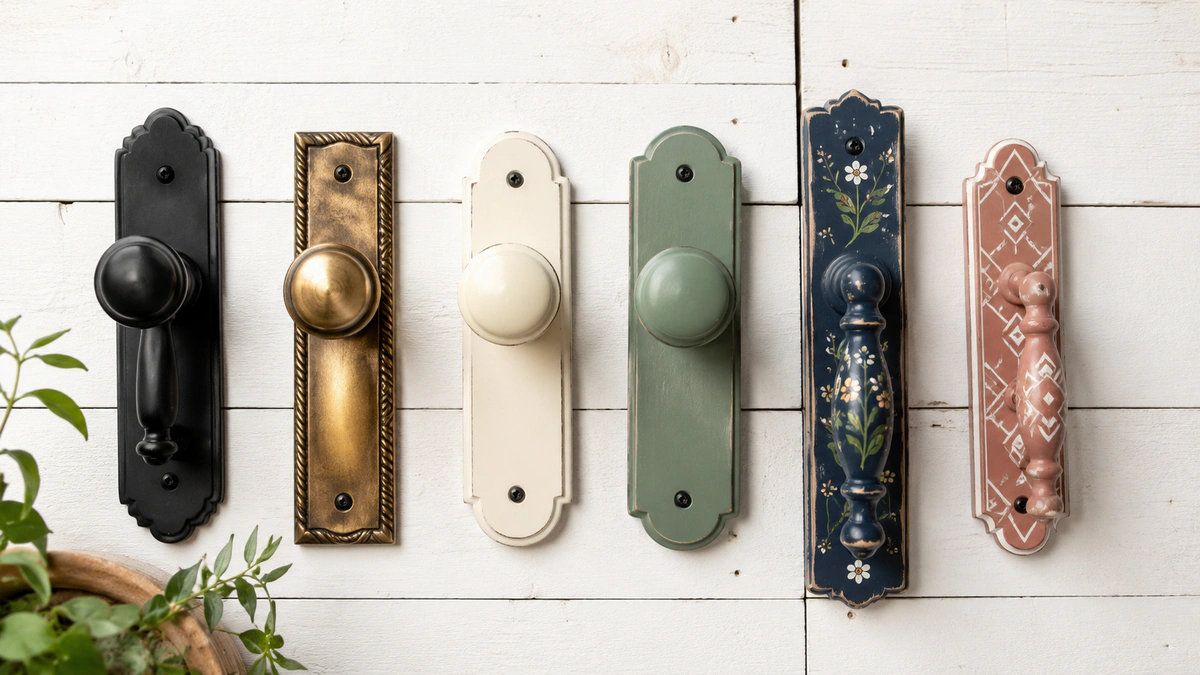
Color does not need to stop at the table. Once your furniture plan is clear, you can repeat a small accent elsewhere in the room. For example, a soft green table can connect naturally with refreshed hardware, picture frames, or painted door handles ideas that use the same finish family.
If you want wider color inspiration, Better Homes & Gardens home color ideas can help you compare room palettes before you commit to a painted furniture project.
Use Color Without Making the Room Feel Busy
A bright painted accent should lift the room, not overwhelm it. The easiest rule is to repeat the table color two or three times in smaller accents. Try a cushion, vase, lampshade, framed print, or plant pot.
For a calm space, choose one table color and keep the rest of the design simple. For a playful space, use a patterned top with plain chairs. For a vintage look, distress the edges lightly, but avoid over-sanding every corner because it can look forced.
If you already have patterned wallpaper, patterned curtains, or a bright rug, keep the table design simpler. A solid painted base with a natural wood top may give you enough color while still letting the room breathe.
DIY Table Painting Mistakes to Avoid for a Lasting Finish
DIY table painting is simple, but it rewards patience, especially when painted furniture will be used every day. Rushing the process can leave brush marks, sticky surfaces, peeling edges, or a finish that scratches in the first week.
Avoid these common mistakes:
- Skipping primer on glossy, stained, or laminate furniture.
- Painting over wax, oil, or furniture polish.
- Using wall paint on a tabletop without a protective coat of paint or sealant.
- Choosing a very pale color for a high-use table without planning for stains.
- Putting heavy objects back before the finish has cured.
- Ignoring the underside and edges, which can make the project look unfinished.
Test your paint on the least visible part of the table first. If it scratches off with a fingernail after drying, improve your prep before covering the whole piece.
Care for a Colorful Painted Table After It Dries
Good care protects the work you put into the finish. Use coasters, placemats, and felt pads under lamps or decor. Clean with a soft damp cloth rather than harsh scrub pads.
For dining tables, wait as long as the paint, acrylic sealer, or topcoat label recommends before heavy use. Some finishes need several days or weeks to cure fully. If a small chip appears, sand the edge lightly, add a thin touch-up coat, and seal only that area after it dries.
Keep extra paint in a labeled jar with the color name, brand, and finish. That makes future touch-ups easier, especially if your finished table makeover becomes a favorite piece.
Frequently Asked Questions
What Kind of Paint Is Best for a Painted Table?
Furniture paint, enamel paint, mineral paint, and chalk paint can all work. For a tabletop, choose a durable paint and add a clear protective coat if the table gets daily use.
Do I Need to Sand a Table Before Painting It?
Yes, light sanding is usually worth it. You do not always need to remove every old finish, but you should dull glossy surfaces so primer and paint can bond.
How Do I Make a Colorful Painted Table Look Grown-Up?
Use one confident color, keep the lines clean, and repeat the color in small accents around the room. Deeper tones such as navy, olive, terracotta, and muted teal often look more refined than neon shades.
Can I Paint Only Part of a Table?
Yes. Painting only the base, legs, drawer front, apron, or edge is a good way to add color while keeping the piece flexible. A two-tone table can also be easier to style with existing furniture.
How Many Coats of Paint Does a Table Need?
Most tables need one coat of primer and two thin coats of paint. Dark colors over light wood may need less coverage than pale colors over dark stain.
Final Thoughts
Painted table ideas are among the simplest painted furniture projects because they give you a big visual change from one useful piece, and the best painted table ideas also leave the room easy to live in. Choose a color that supports your home decor color scheme, follow the DIY table painting steps carefully, and your finished table can brighten the room for years.