Finding a Polyphemus moth caterpillar in your yard can feel surprising because it is larger, greener, and slower than many insects you usually notice on leaves. For most homeowners, the right move is simple: identify it, protect your plants from heavy feeding, and let this native silk moth finish its life cycle when possible.
This guide explains safe relocation, garden pest control, and backyard wildlife habits without turning a harmless discovery into a pesticide problem. You will learn when to leave it alone, when to move it, and how to keep your yard balanced. With a Polyphemus moth caterpillar, garden pest control works best when it protects plants and respects local wildlife at the same time.
Quick Answer
If you find a Polyphemus moth caterpillar in your yard, do not spray it or panic. One is usually harmless to people, pets, and healthy plants. Identify it, check the amount of leaf damage, and leave it on a host tree if the damage is minor. If it is eating a young or stressed plant, gently move it to a nearby oak, maple, birch, or willow.
The safest choice is to relocate it by hand with gloves or a leaf, then monitor your plants for new damage over the next few days.
How to Identify This Large Green Larva
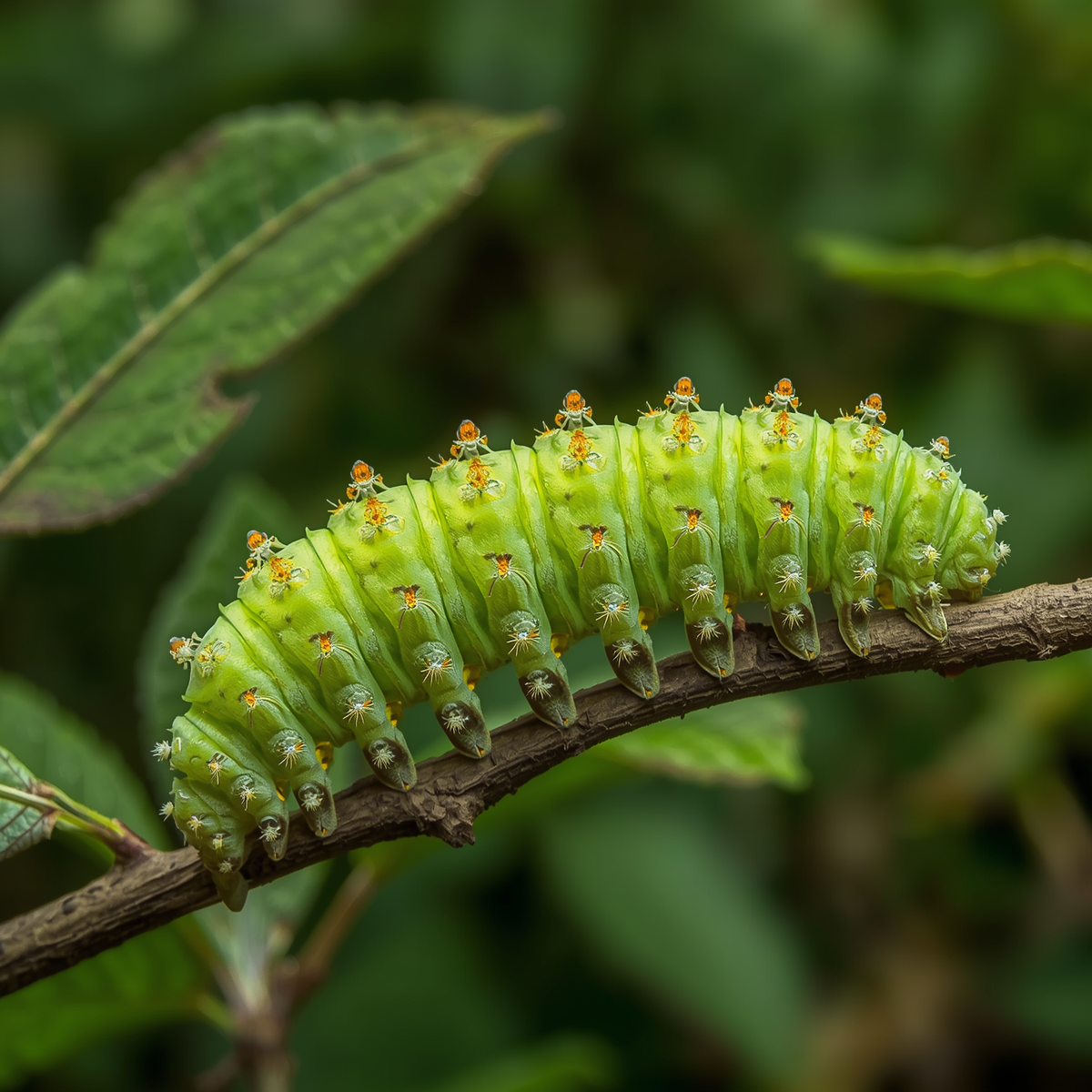
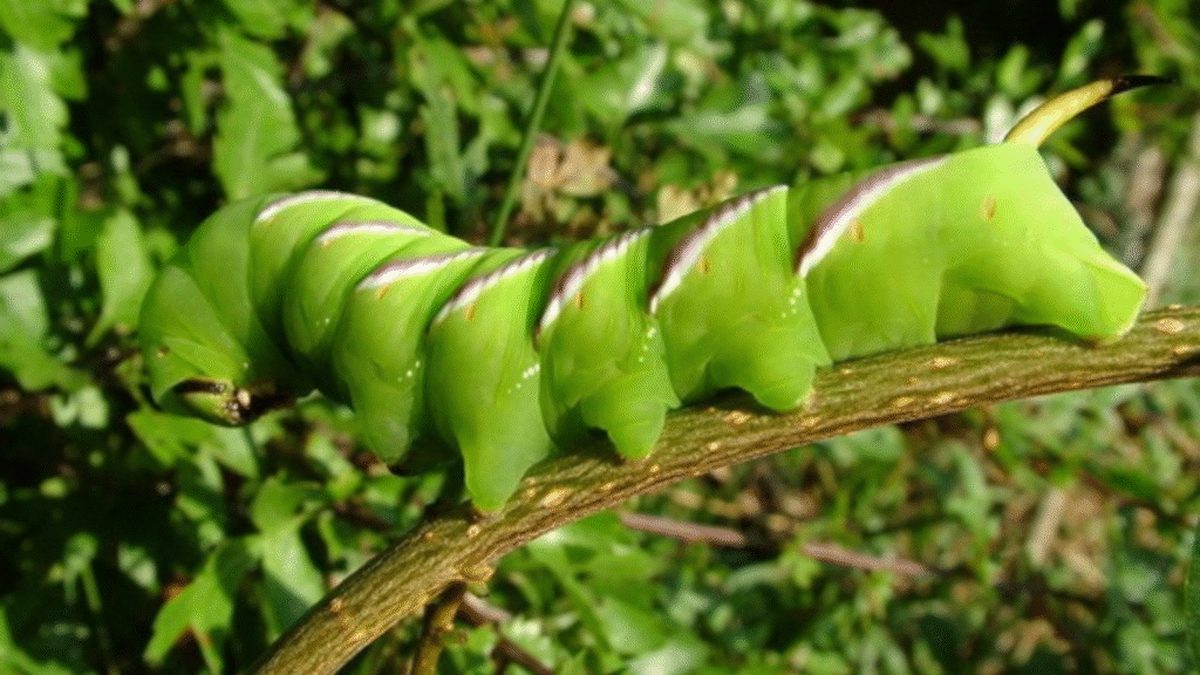
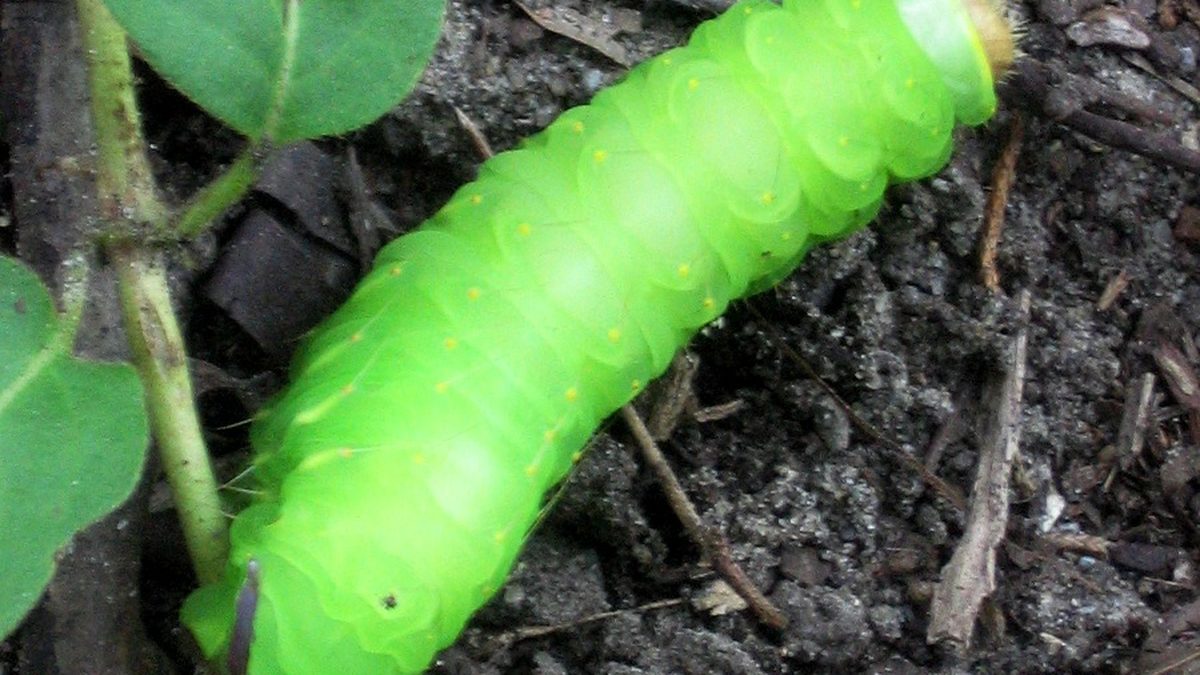
This insect is the larva of Antheraea polyphemus, one of North America’s giant silk moths in the Saturniidae family. It is usually bright green, thick-bodied, and smooth-looking, with small yellow or pale bumps along the sides.
It may look alarming because of its size, but it is not a stinging species. Most sightings happen in late spring, summer, or early fall, when it is feeding before it spins a cocoon.
Look for these signs:
- A large green body that looks plump rather than fuzzy
- Pale or yellowish side marks
- Slow feeding on tree leaves
- No obvious spines, hair, or defensive bristles
- A habit of staying on or near host trees
The adult moth is easier to recognize later because it has large eyespots on the wings. The conservation database Butterflies and Moths of North America lists the species as Polyphemus moth Antheraea polyphemus, which helps confirm the family, range, and identification details.
Check the Plant Before You Move It
Before you touch it, check the plant it is feeding on. A few chewed leaves are not an emergency, especially on a mature tree. Healthy plants usually replace minor leaf loss.
The key question is not “Is it eating?” but “Is it causing enough damage to weaken the plant?”
If it is on a strong tree, leave it there. If it is on young garden plants, container plants, or already-stressed shrubs, relocation makes more sense. This kind of garden pest control protects vulnerable growth without turning a backyard wildlife sighting into a spray routine. The original article noted that homeowners often notice leaf damage while checking their plants, which is the right moment to inspect the whole area instead of reacting to one chewed leaf.
Use this quick table to decide what to do.
| Situation | Best Action | Why It Works |
|---|---|---|
| One larva on a mature oak, maple, birch, or willow | Leave it alone | The tree can usually handle light feeding |
| One larva on a young plant or small shrub | Move it to a stronger nearby tree | This protects vulnerable growth without killing the insect |
| Several larvae on one small plant | Relocate some or all of them | Heavy feeding can stress young plants |
| Leaves are badly stripped or the plant is wilting | Remove larvae and improve plant care | The plant needs immediate support |
| You are unsure what species it is | Photograph it and compare reliable ID sources | Some species need different handling |
How to Move It Safely
If you need to move it, keep the process gentle. Do not squeeze it, shake the branch, or drop it into open grass where birds can easily spot it.
Put on garden gloves, slide a leaf or small twig under it, and let it grip the surface. Then place it on a nearby host tree with plenty of leaves. Oak leaves are often a good choice, but maple, birch, willow, hickory, and elm can also work.
Follow these steps:
- Choose a leafy tree away from the damaged plant.
- Pick a shaded branch with fresh leaves.
- Lift it with a leaf, twig, or gloved hand.
- Set it down gently and wait until it grips the branch.
- Check the original plant again the next day.
Avoid moving it across a long distance. A short relocation inside the same yard is usually enough. Moving it too far can place it in the wrong habitat or away from food it can use.
Why Pesticides Are the Wrong First Step
Chemical sprays are usually too harsh for this situation. One leaf-feeder does not justify treating the whole yard, and broad insecticides can harm pollinators, butterflies, lady beetles, and other beneficial insects.
Garden pest control should start with the least harmful method that solves the problem.
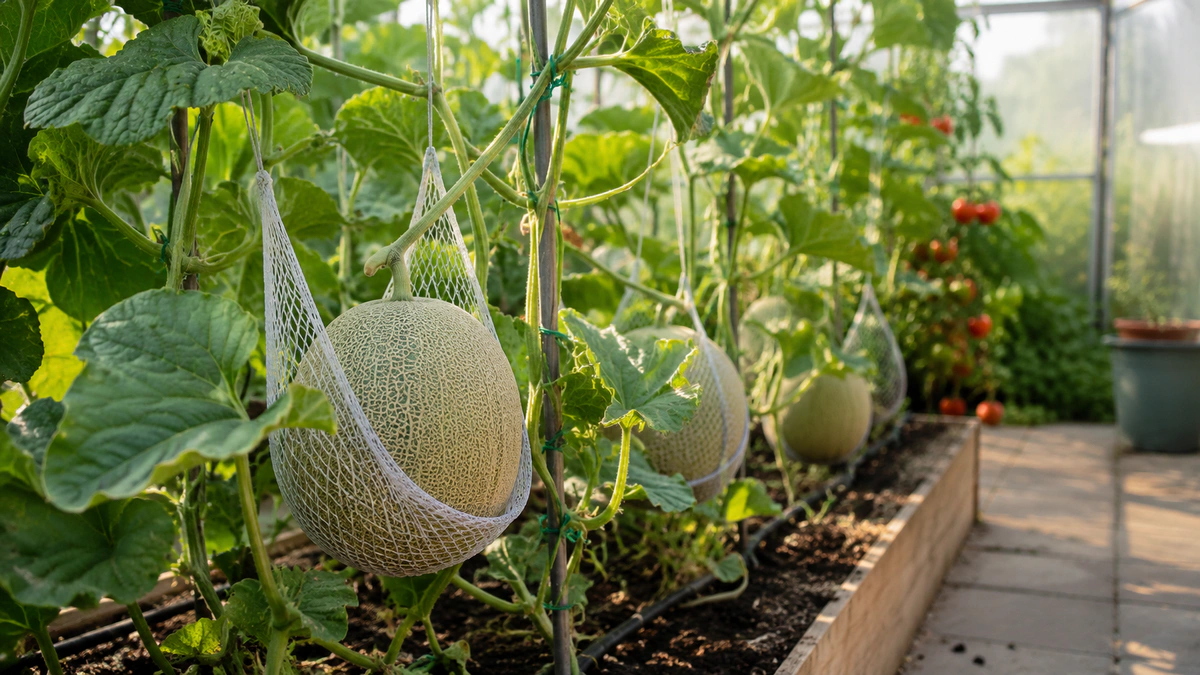
For this yard visitor, that usually means observation, hand removal, or simple plant protection. Mesh netting can protect a vulnerable vegetable bed or young ornamental plant during peak feeding season.
If you are protecting young edible plants as well as ornamental beds, these smart cantaloupe plant tips can help you think through watering, placement, and plant care before minor leaf damage becomes a bigger setback. Good watering, mulch, and pruning also help plants recover from small amounts of feeding.
Pesticides may also create a bigger imbalance. When you remove every visible insect, you can reduce the food supply for birds and other backyard wildlife. You may also kill insects that naturally keep problem pests under control. Better garden pest control keeps the helpful food web in place while reducing damage.
What the Moth Life Cycle Means for Your Yard
The species life cycle explains why leaf damage is usually temporary. Adult moths mate, females lay eggs on host plants, and the eggs hatch into small larvae. Those larvae feed through several growth stages, called instars, before they spin a cocoon and become a pupa.
This feeding period can look intense because it must store enough energy for the next stage. Once it finishes feeding, it stops eating leaves and begins the cocoon stage. The adult moth that emerges later does not live as a long-term garden pest.
You may also notice a brown or dark brown cocoon attached to a twig, tucked into leaves, or hidden in leaf litter. If you find one, leave it undisturbed unless it is in a place where it will be crushed.
The adult moth has a wide wingspan, feathery antennae, large hindwing eyespots, and pheromone signals for finding a mate. That process is part of a normal backyard ecosystem.
How It Differs From Other Giant Silk Moths
This species is sometimes confused with a luna moth or a cecropia moth because all three are large native moths. It has a rounder brown adult form with bold eyespots, while the larva is green and built for steady leaf feeding.
The larva may pass through several instar stages before it is ready to spin silk around leaves and form a cocoon. That is why it can seem to grow fast over only a short part of the season.
What If It Feels Threatened?
Some Polyphemus larvae use a defensive response when attacked by a predator. They may make clicking sounds with the mandible and mouthpart, and some can release fluid by regurgitation. That looks dramatic, but it is mainly a survival tactic.
How to Prevent Future Damage Without Removing Nature
You cannot fully stop moths from visiting a yard with trees. You can, however, reduce damage to the plants you care about most.
Start by separating delicate plantings from the trees most likely to host larvae. If you grow small ornamentals or young fruit trees, inspect them weekly during warm months. Look under leaves, along stems, and near fresh bite marks.
Practical garden pest control steps include:
- Use lightweight garden mesh on vulnerable young plants.
- Keep plants watered so minor leaf loss is less stressful.
- Prune damaged leaves only when needed.
- Move larvae from small plants to stronger host trees.
- Avoid night lighting that attracts adult moths close to sensitive garden beds.
- Leave some natural leaf litter in low-traffic areas for cocoons.
A balanced yard can include both tidy garden areas and small wildlife-friendly zones. That is often better than trying to make the whole space insect-free, especially if your goal is a healthy yard.
When to Worry About Leaf Damage
Most homeowners do not need to worry about one larva. You should pay closer attention if you see repeated leaf loss, multiple larvae on the same small plant, or damage on a plant that was already struggling.
Warning signs include:
- New plants losing many leaves quickly
- Small shrubs with bare stems
- Container plants that cannot replace foliage fast enough
- Wilting after feeding damage
- Larvae appearing in large numbers on the same plant
If that happens, relocate them and support the plant. Water deeply, remove only badly damaged leaves, and avoid fertilizing heavily while the plant is stressed. Too much fertiliser can push weak new growth that attracts more feeding.
For most yards, this situation passes quickly. A Polyphemus moth caterpillar is not trying to invade your home, nest inside walls, or spread disease. It is simply feeding before it becomes an adult moth.
Simple Backyard Wildlife Tips
This species can be a useful reminder that your yard is part of a larger food web. Birds, insects, trees, and soil organisms all interact there, even when you only notice one green visitor on a leaf.
If you want a healthier yard, aim for controlled variety. Native trees, clean water, reduced pesticide use, and a few quiet corners can support beneficial backyard wildlife without letting the garden look neglected.
You can also teach children to observe insects safely. Take a photo, watch how it moves, and explain that not every bug needs to be killed. The team at House fery often focuses on practical home and yard decisions, and this is a good example of choosing the calm, useful option first.
FAQ
Is It Poisonous?
No. It is not considered poisonous or dangerous to people. It is still best to avoid unnecessary handling because soft-bodied insects can be injured easily.
Can It Sting You?
No. It does not have the irritating spines or stinging hairs found on some other species. If you need to move it, gloves are still useful for hygiene and gentle handling.
What Does a Polyphemus Moth Caterpillar Eat?
A Polyphemus moth caterpillar feeds on leaves from host trees and shrubs. Common choices include oak, maple, birch, and willow. Some local plants may also be used depending on the area.
Should I Kill Leaf-Eating Larvae?
Not as a first response. If the damage is light, leave them alone. If a plant is at risk, relocate it to a stronger host tree instead of spraying or killing it. This is safer garden pest control and better for backyard wildlife.
Will Polyphemus Moths Come Back Every Year?
They may return if your yard has suitable host plants and habitat. That is normal in many parts of North America and does not automatically mean you have a pest problem.
Final Thoughts
Finding a Polyphemus moth caterpillar in your yard is usually a chance to make a careful, nature-friendly choice. Identify it, protect vulnerable plants, use safe caterpillar removal when needed, and keep garden pest control focused on balance rather than panic. With a calm approach, your yard can support backyard wildlife while still keeping your favorite plants healthy.